All posts by Dean Compton

SBTU Presents: Top 10 Biggest Avengers Moments of the 1990’s!

Hello, Legions of the Unspoken!  I hope that you are better than me and have enjoyed Avengers: Age of Ultron by now.  We went to the Ultimate Marvel Marathon, only to find out that the big enchilada, Avengers: AoU, would be in 3D!  I am not sure I have related this before to the Legions, but I have vertigo and therefore cannot handle a 3D movie!  So we sucked it up and left early.

To date, I still have not seen the movie.  I am sure I will, but to placate me until then, and to satisfy all of the guests taking a gander here due to the Super Blog Team Up, I am going to give you the top 1990’s moments for The Avengers.  Now all of these moments won’t be highlights or the best stuff that happened to them, but they will certainly be the ones that stood out the most, had the most impact, and generate the most buzz, good or bad, to this day.

10-THE CROSSING
Age of Innocence- Rebirth - Page 1

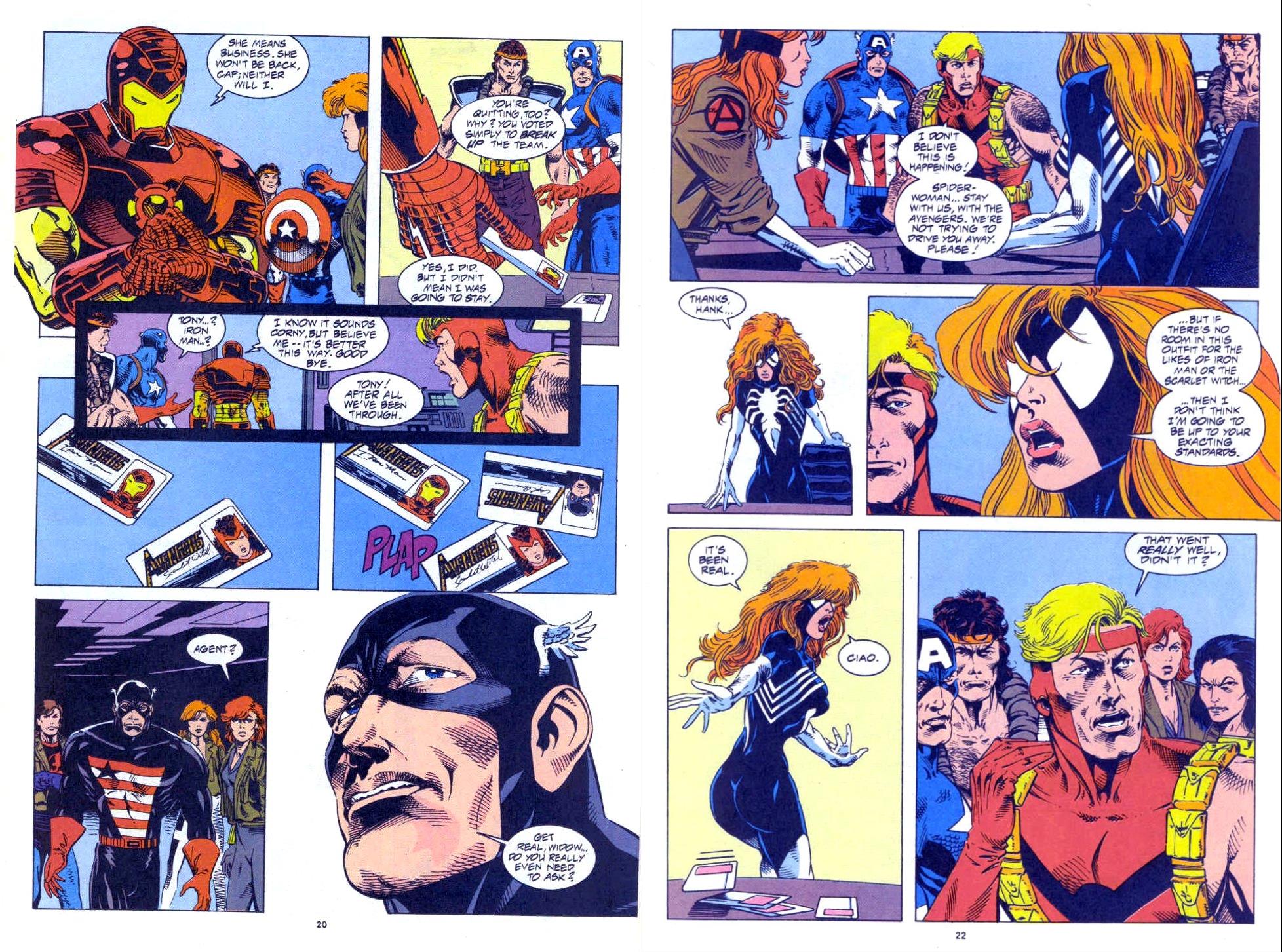
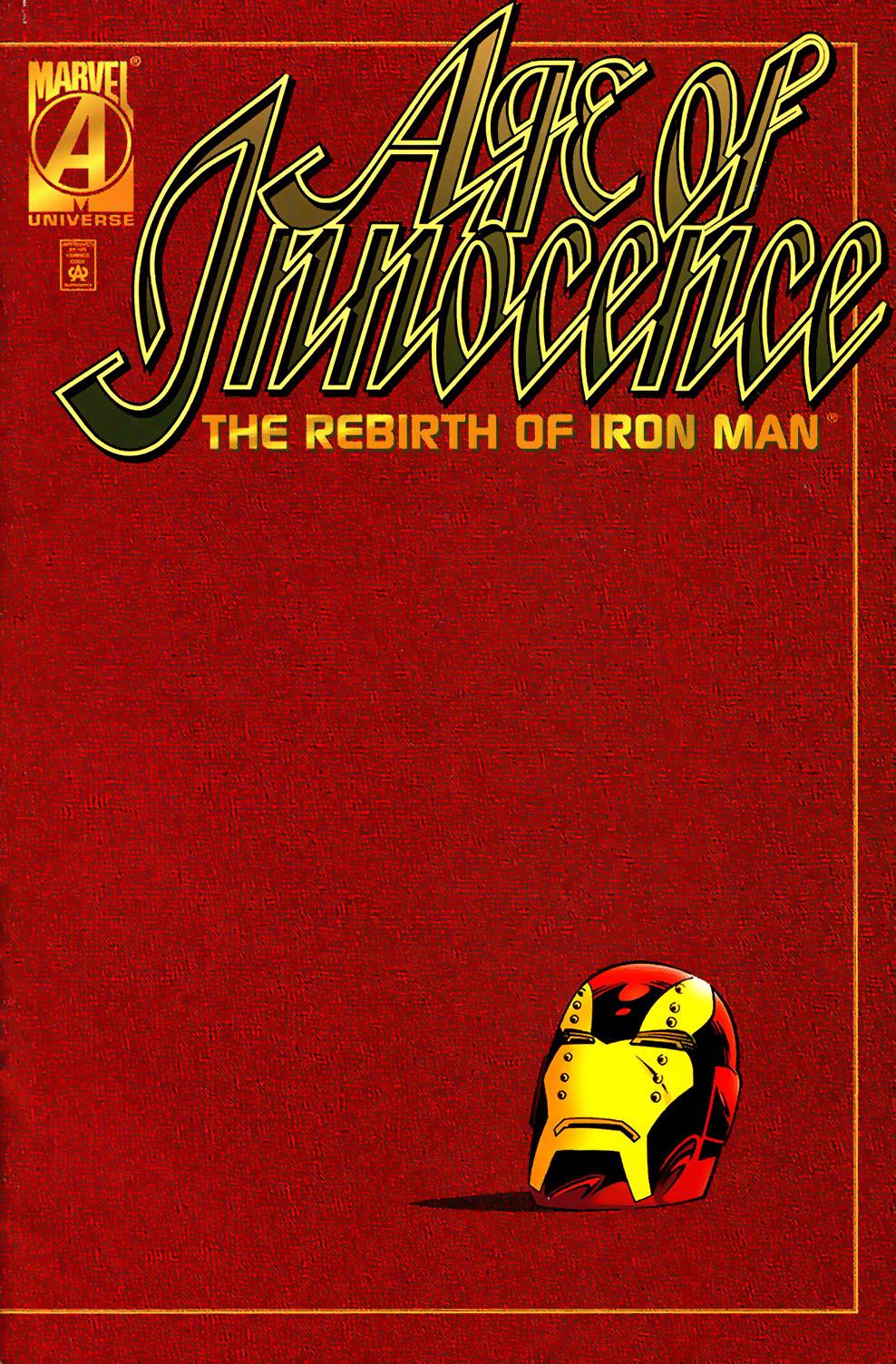
Aren’t you glad I warned you that there’d be stuff you hated on this list?  Don’t you wish that either the warning had come sooner or that this had come later?  This is legendarily bad.  So bad that we are still talking about it not just as the worst moment of Avengers history in the 90’s, but it is probably the worst moment for the Avengers period.  In this story, we learn that Tony Stark, Iron Man, has been working for Kang for years and is a traitor to the Avengers.  The Avengers have issues defeating him, so they go back in time to retrieve a young Tony Stark to beat the current Tony Stark for them.  That makes no sense, and after this story, it is almost NEVER MENTIONED again.  After Heroes Reborn/Return (which we’ll see more of later in this article) Tony Stark is just back.  Of course, that’s the worst thing that happened in this story.  Other awful things happened, too, such as the Wasp looking like this:

016- Avengers #394 - Page 1

9-Spider-Man joins The Avengers

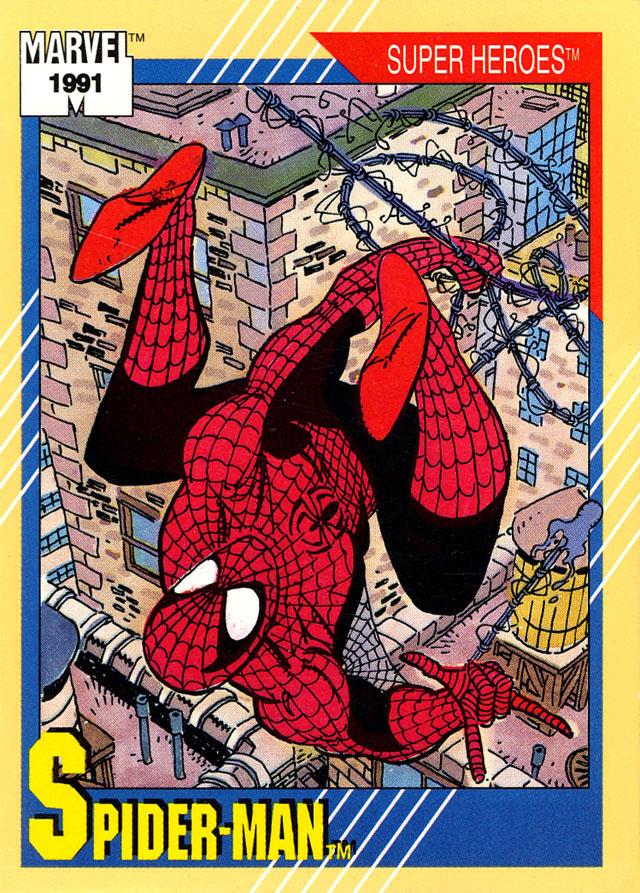
Marvel Universe Trading Cards - Series II (1991) - Page 1 Marvel Universe Trading Cards - Series II (1991) - Page 2

This one is controversial and creates a huge schism for superhero fans.  I first learned of Spidey’s status as an Avenger by the 1991 trading card above.  Should Spidey be an Avenger? There are several story arcs in the 80’s dedicated to such an idea, but it isn’t until 1991 that it finally happens!  Of course, it wasn’t easy, as at one point in Avengers #316 he gets offered a spot on the team, only to have said offer be rescinded.

Avengers316 - Page 29

It would be just 13 issues later when Spidey would be brought in as a reserve Avenger, complete with one of those “WHO WILL BE IN THE AVENGERS” trademark covers the group likes to do so much.  Spidey even gets to stick it to J. Jonah Jameson without webbing up the Daily Bugle Publisher’s mouth.

Avengers329 - Page 1 Avengers329 - Page 19

My two cents on Spidey being one of Earth’s Mightiest Heroes is that he should be in…but only as a Reserve Avenger.  That makes sense to me, as Spidey is always fun to see team-up with folks once in awhile, and he’d be there if the situation was large enough, anyhow.  Seeing him month in and month out is just no fun, though.

8-At one point, there were 8 simultaneous Avengers-related titles on the shelf at once.
Captain America #420 - Page 1 Avengers367 - Page 1

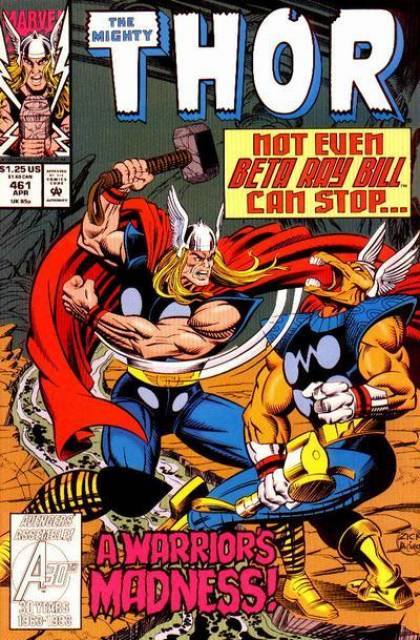
IM294 - Page 1thor462

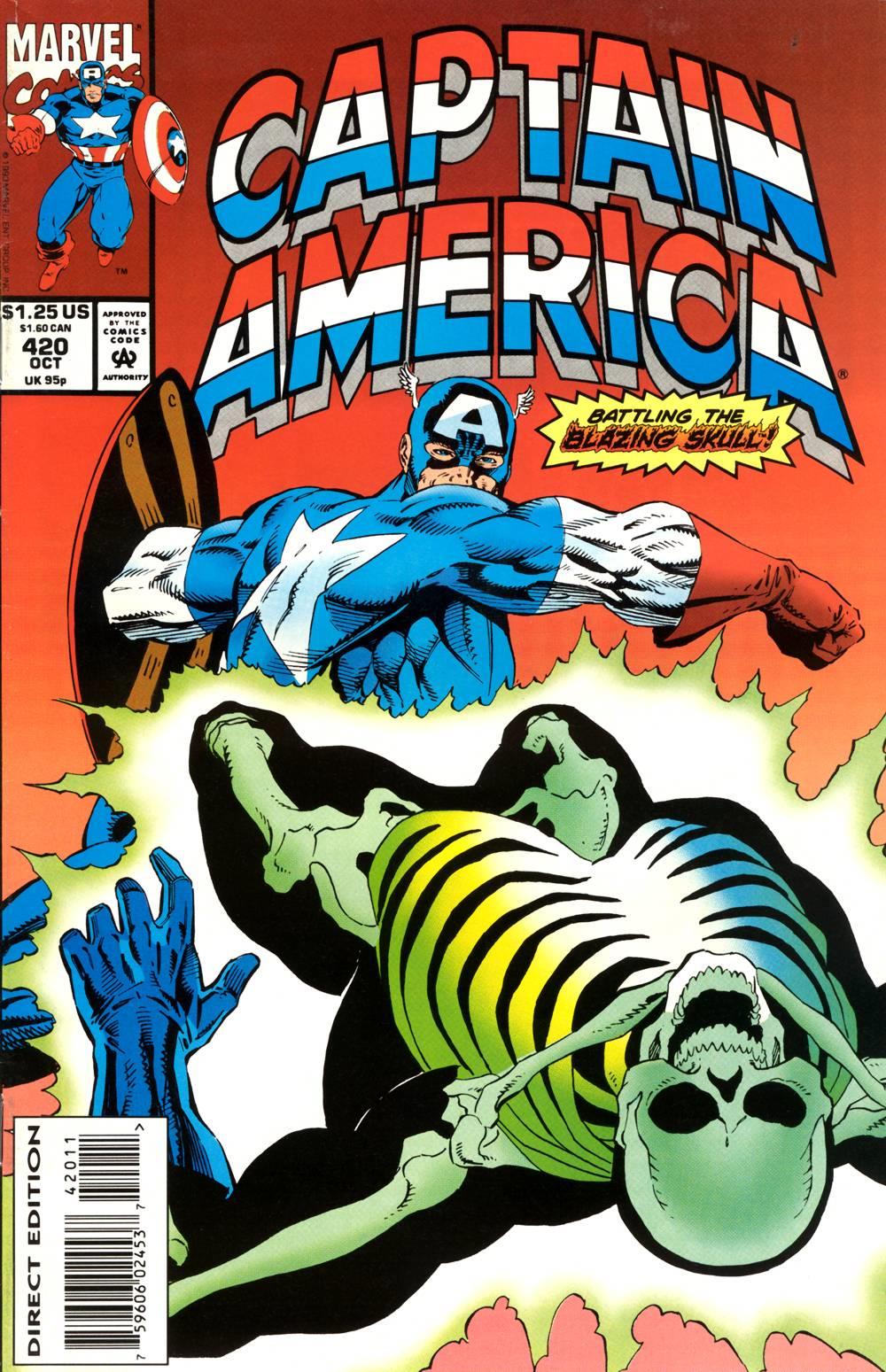
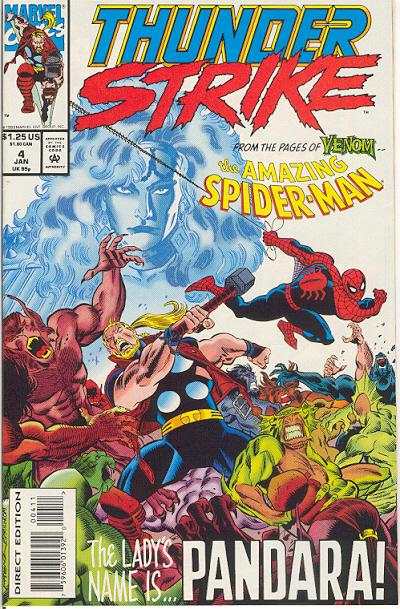
The 1990’s are said to be the decade of Image Comics and the X-Men, and rightfully so.  The Avengers, however, were no slouches. Despite spending most of the decade as perceived 2nd-tier players, you could get 8 titles related to the Avengers!  Of course, some of these were solo titles that were not Avengers titles, but I cannot imagine Quasar, Thunderstrike, or Wonder Man getting titles without their Avengers connection.  In the opposite manner, Mighty Thor, Iron Man, and Captain America certainly could have stood on their own without any Avengers ties, but the fact that these three guys are “The Big Three” of The Avengers means that even in their own books, being an Avengers is an integral part of the character.  Throw in Avengers and Avengers West Coast, and you’ve got 8 books in the year 1993 to choose from to get an Avengers fix.
thunderstrike4Wonder_Man_Vol_1_26

WestCoastAvengers #99 - Page 1 Quasar #50 - Page 1

7-Acts of Vengeance

060 West Coast Avengers #55 - Page 1

This one is a bit of a cheat, as the event actually begins in 1989, but it crosses over into 1990 just enough to garner it a place on this list.  If more of it had happened in the 90’s, rest assured it would have a higher spot.  As it is, the idea of the greatest supervillains of the world switching partners and taking on other foes is a great one, and it led to some awesome stories everywhere from Spider-Man to Punisher, with stuff like Daredevil taking on Ultron in-between.  We also got a sweet John Byrne FF#1 homage cover.  As one cover blurb states, it was the “ultimate Super-Villain Team-Up”.  Read that in a Vince McMahon voice, please.

050 West Coast Avengers #54 - Page 1 063 Solo Avengers #29 - Page 1 058 Avengers V1 #313 - Page 1

6-Heroes Reborn

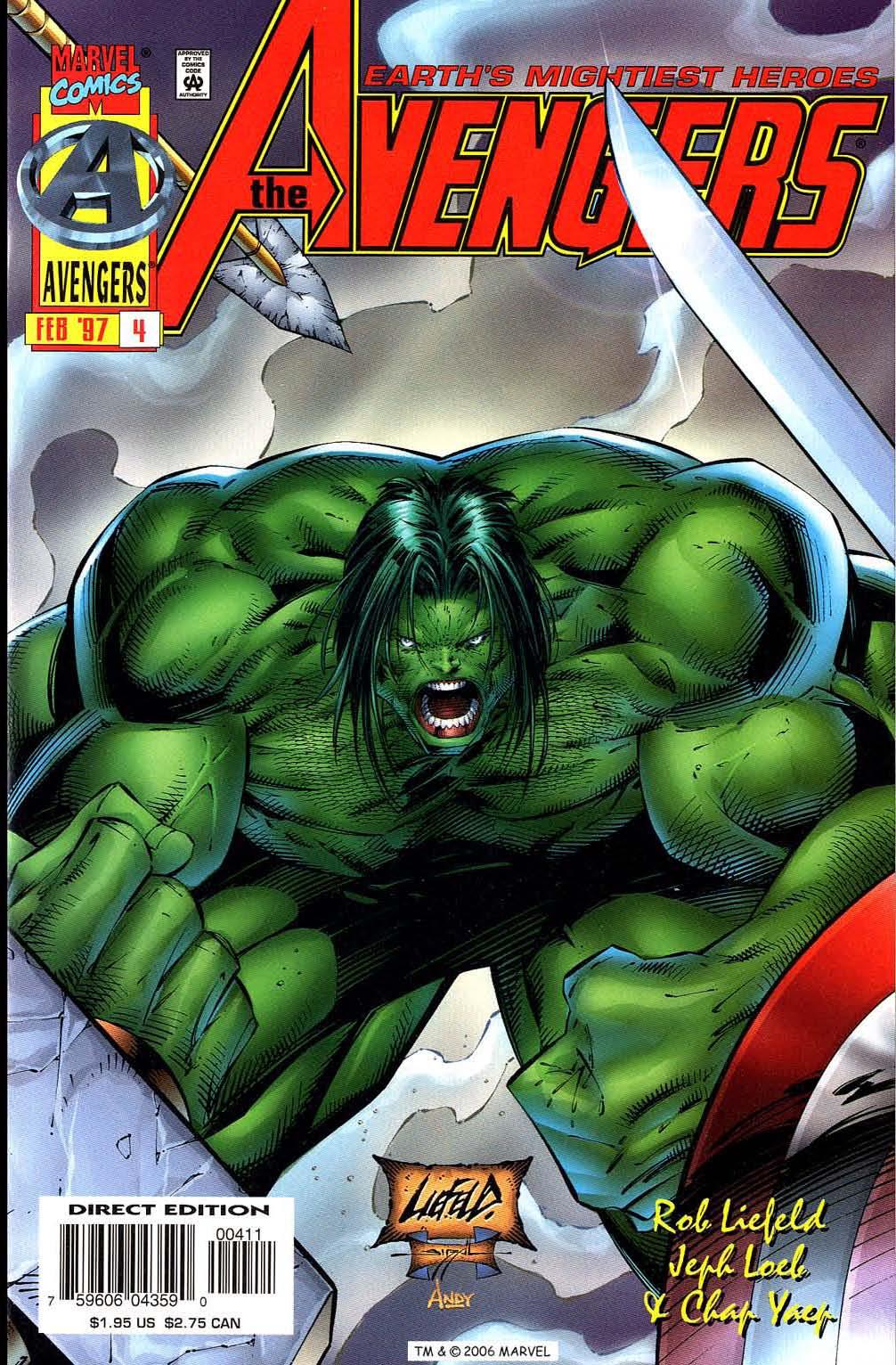
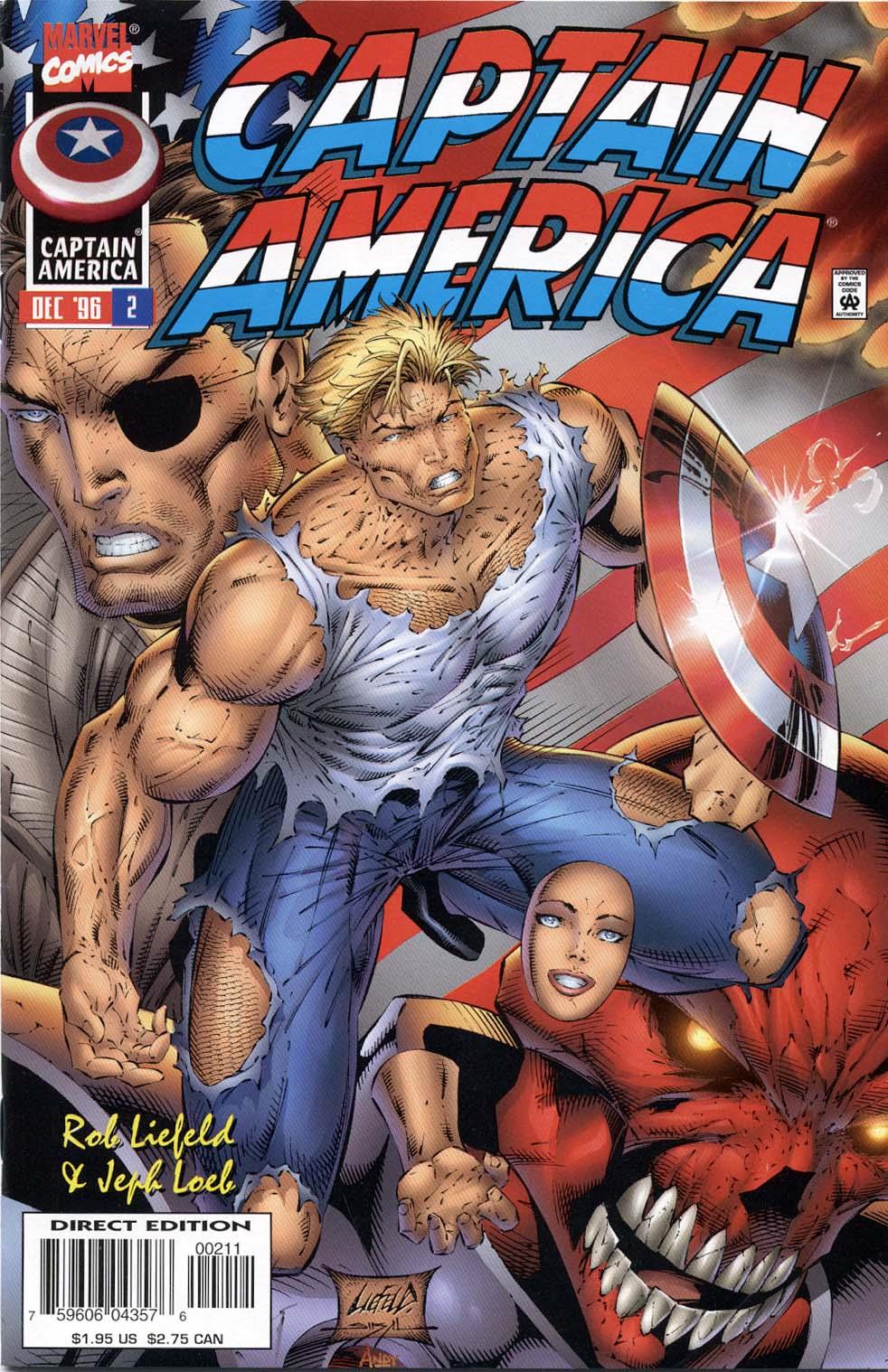
Avengers V2 #1 - Page 1 Avengers V2 #4 - Page 1 Captain America V2 #2 - Page 1

Marvel was slumping from the loss of the speculator boom, and their flagship titles, Fantastic Four, Iron Man, Captain America, and Avengers, were slumping not just in terms of sales, but in how they were seen by the audience.  As stated earlier, Image Comics, X-Men, and Spider-Man (among several properties) had taken the eminent position in the marketplace.  This led Marvel to throw a Hail Mary by reaching out to Rob Liefeld and Jim Lee to re-tool these properties and bring them back to the audience as cool and hot properties.  Heroes Reborn resulted in great sales, including the best selling issue of Avengers of all time, but the sales were not quite what was needed to pay the salaries of Liefeld and Lee.  There was harsh criticism of the books as well, especially Liefeld’s Avengers and Captain America.  About midway through Heroes Reborn, Marvel asked them to take pay cuts.  Lee acquiesced while Liefeld balked and walked.  After a year, the deal was done, and we’d get Heroes Return, but Heroes Reborn might be the loudest Avengers moment of the 90’s, and it almost certainly generated the  most revenue in Avengers comic book history; the movies, of course, are another story.

5-Avengers West Coast Disbanded
WestCoastAvengers #102 - Page 1

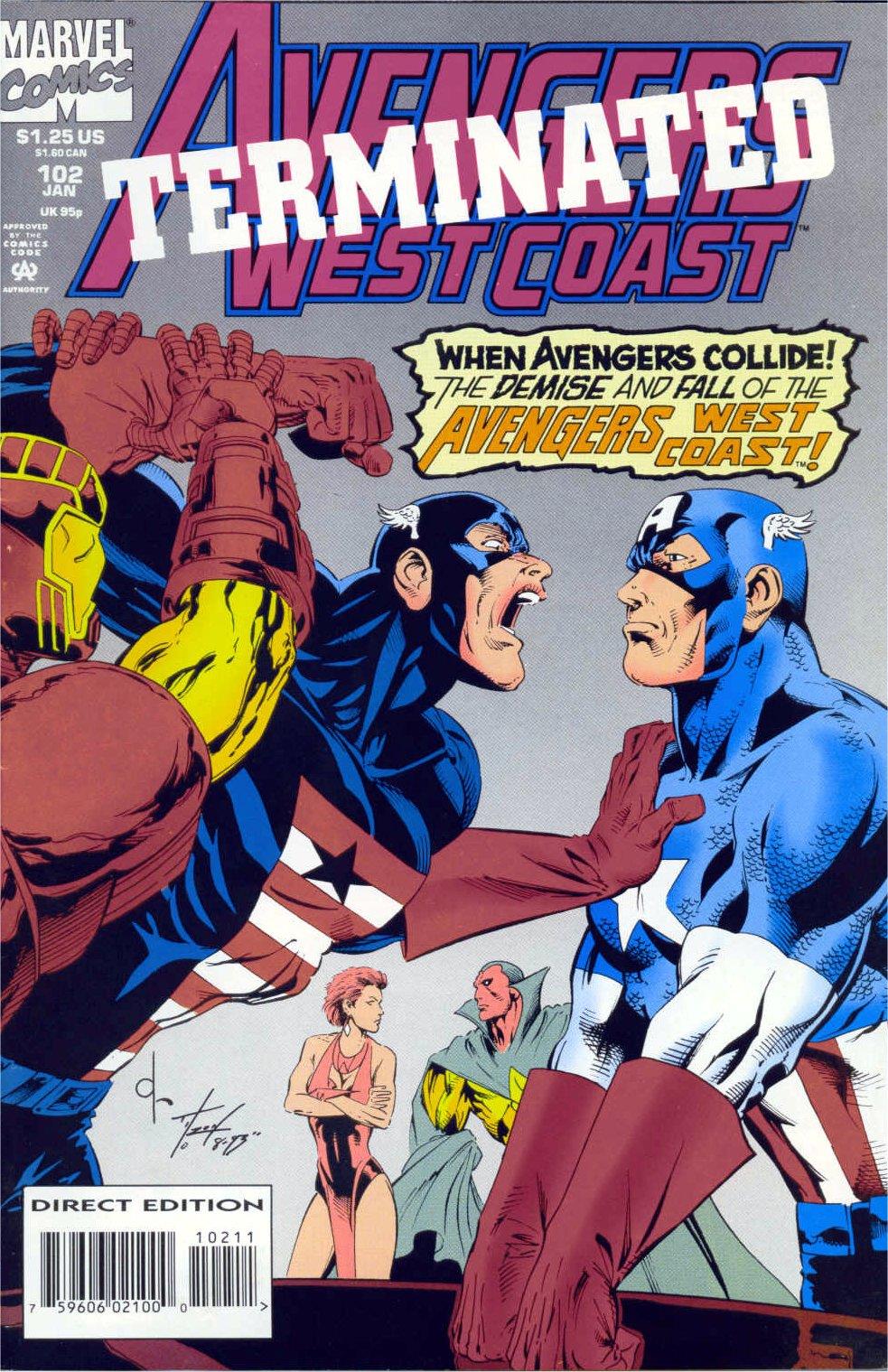
When I started reading comics regularly, there were two branches of Avengers.  This made Avengers seem awesome and very important.  Avengers West Coast was also consistently more entertaining than its east coast cousin when Roy and Dann Thomas were at the writing helm, while the Bob Harras Avengers title just sort of floundered.  I didn’t see the end of Avengers West Coast coming.  I remember being shocked when I read about it in Wizard or Hero Illustrated or some such magazine.  I was upset, and I didn’t understand why they’d trash this legacy for Force Works.  I liked FW all right, but it was no Avengers West Coast to me, and while much of that grandeur surrounding The Avengers has been restored, I wonder why in the last decade of umpteen badrillion Avengers books named everything from New to Secret to Pet Avengers, why we couldn’t have gotten the return of Avengers West Coast…

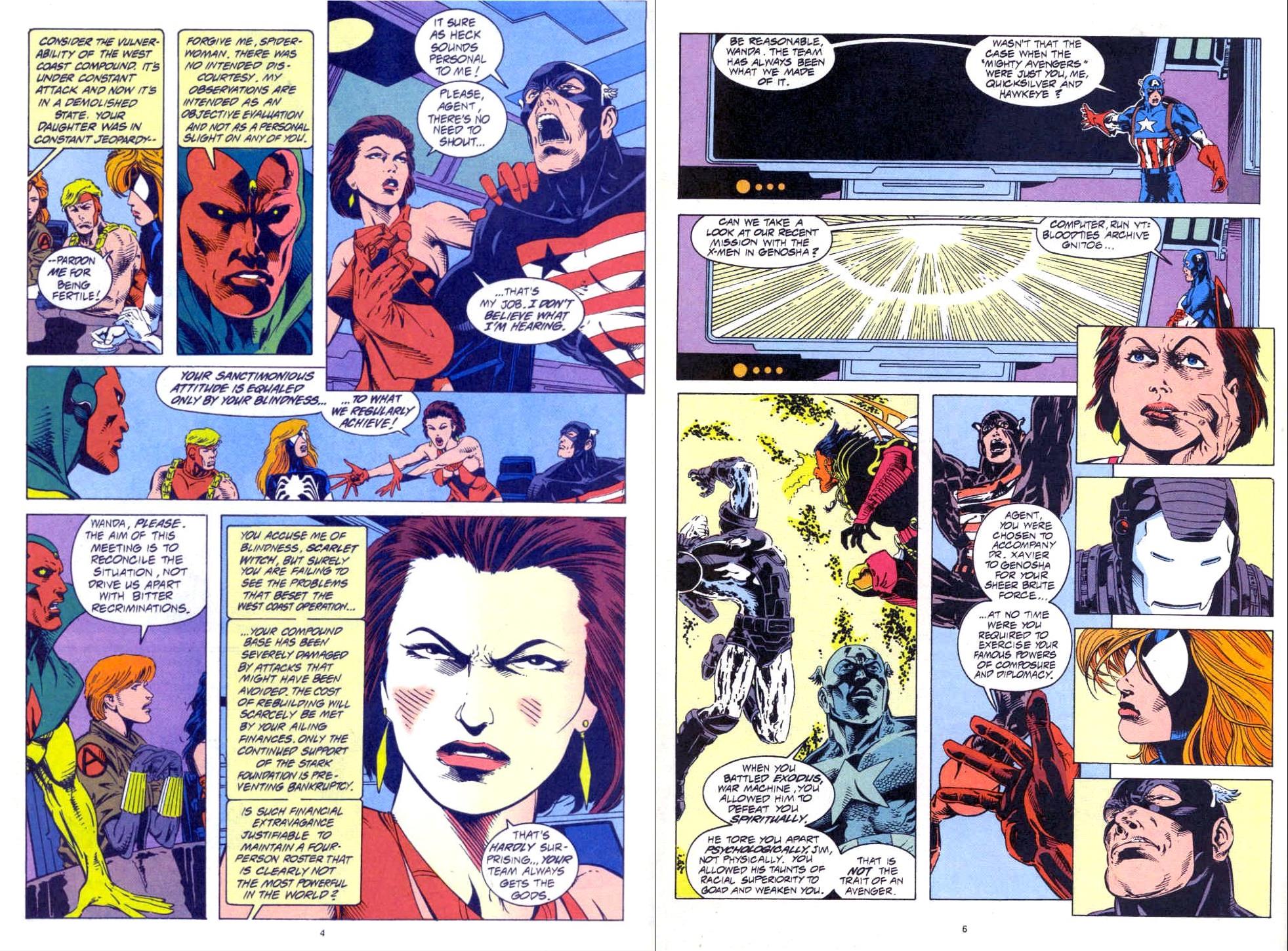
WestCoastAvengers #102 - Page 3 WestCoastAvengers #102 - Page 5 WestCoastAvengers #102 - Page 15 WestCoastAvengers #102 - Page 17

4-Operation:  Galactic Storm

Opgalstorm_logo

ogshousead

A huge part of the history of The Avengers is the role that the mega epic plays in their history.  If they didn’t have any, we could not refer to them as “Earth’s Mightiest Heroes,” and they probably would not be the center of the movie world.  The Avengers mega epic menagerie  includes great stories like The Korvac Saga, The Thanos/Warlock/Mar-Vell Saga, The Kree-Skrull War (to which Operation:  Galactic Storm was sort of a sequel), The Avengers-Defenders War, and more.  Operation:  Galactic Storm is one of the biggest editions to the cosmic cabinet that holds these mega epics…LITERALLY.  The story goes on for 19 parts through 7 different titles, and it has epilogue stories that even include a Silver Surfer issue.  While it is unwieldy at parts, and it was definitely stretched too thin, the ongoing saga has that epic feel that The Avengers really didn’t capture as often as they should have in the 90’s.  There’s also a giant moral theme that permeates the story and the epilogues, and it also spawned a really crappy video game.

Avengers_in_Galactic_Storm
Get ready to play as Thunderstrike…with Thor as your backup. Who thought that was a good idea?

Emily Scott will be taking a closer look at Operation:  Galactic Storm later this month, as we are celebrating The Avengers all month long!  She will be crafting a 2-parter because that’s what passes for a mega epic around here.

3-Avengers Forever

Avengers Forever #4 - Page 13

I’d call Avengers Forever confusing, but that would sort of be like saying that race cars go fast.  That sort of description is appallingly insufficient.  Avengers Forever centers around Kang, The Destiny War, Rick Jones, Immortus, and a cast of different Avengers from throughout time as they run into other Avengers throughout time.  I have read this three times, and that’s honestly the best way to put it.  Actually, a better way to put it might be a love letter to Avengers continuity.  It is confusing, but it is also quite a fun book, and it is beautifully done by Carlos Pacheco and Jesus Merino.  Just enjoy getting to see cool stuff like the Avengers teaming with Killraven against Martians, as seen above, and Two-Gun Kid vs. Kang, and you’ll be ok.  Try and make too much sense of it and you will have a headache that can only be destroyed by Ant-Man.  Enjoy it as a romp, and well, you get a romp.

Avengers Forever #1 - Page 1 Avengers Forever #4 - Page 2 Avengers Forever #12 - Page 1

2-The Last Avengers Story

The Last Avengers Story #1 (of 2) (1995) - Page 1

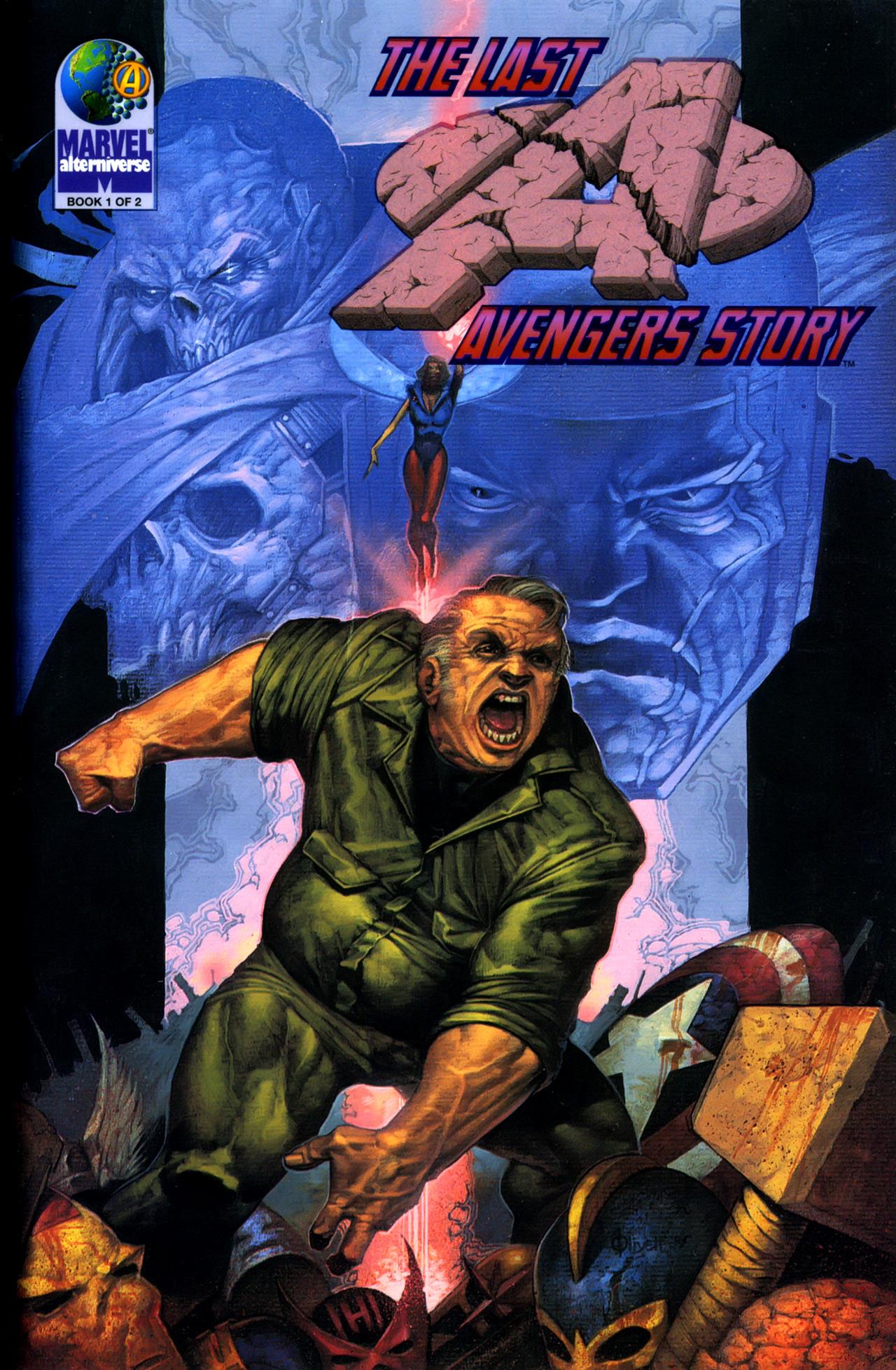
Peter David crafts a dark tale that isn’t saturated in grim and gritty nonsense that Ariel Olivetti  renders in an eye-pleasing darkness that seeps into everything.  The Avengers aren’t what they used to be, kids, and what they used to be was kids.  David’s story highlights the inherent advantages that villains have within the superhero paradigm.  He also shows us a world gone mad, heroes broken for different reasons, and the fate of the children of several of the heroes.  Also, we get Cannonball in this for some reason.  I guess in this timeline, he grows up to be an Avenger instead of Cable: The Sequel.  In the end what passes for The Avengers gather to make their last stand against an assemblage of their greatest foes, and many of the Avengers who are left simply don’t make it, but hope remains for those who do.  Darry Weight will take a closer look at this masterpiece later this month!

The Last Avengers Story #1 (of 2) (1995) - Page 41 The Last Avengers Story #1 (of 2) (1995) - Page 11 The Last Avengers Story #2 (of 2) (1995) - Page 6

1-Ultron Unlimited

In my mind, this isn’t just the greatest 90’s moment in Avengers history, but this is truly the greatest moment in Avengers history, period.

4002825-avengers-ultron-we-would-have-words-with-thee-1024x727

That.  That’s it.  That panel epitomizes The Avengers.  Even their heaviest hitter, Thor, is war-scarred, having battled all that Ultron has to offer.  Captain America and Firestar are beaten down too.  Despite the hardship, despite the war they have just gone through, and despite their fatigue and injuries, The Avengers are here to do a job, and that job is saving the world.  Ultron is at his uttermost worst in this tale; in contrast, the Avengers have never been better, shone brighter, or come through against more horrendous odds.  That, to me, is what The Avengers is all about.  When things look bleak, they find a way.  When the odds are stacked against them, they unstack them.  When the worst villains show up, they get confronted by the best heroes.  Those heroes are…THE AVENGERS!!!

Just want to give an honorable mention here to the Infinity Saga.  I had it on the list, but it’s really more of a Marvel Universe story instead of just an Avengers one.  One could make the same argument for Acts of Vengeance, but it ended in an Avengers title. and so I justified it.  While the Infinity Saga did crossover into the Avengers titles, it was more or less contained within the three mini-series under the “Infinity” heading.

Thanks for enjoying our top ten! Now, Assemble with these other fine folks in the Super Blog Team Up!

10 Best All-Star Squadron Covers

Top Ten Character Deaths

10 Best Super Hero Hairstyles

10 Best Bronze Age Heroes

10 Wackiest DC Covers

10 Favorite Moments of the Chase

Top 10 Avengers

Top Ten Most Important Martian Manhunter Villains

Top 10 Avengers Covers

Top 10 Avengers Super Battles

Top 10 Green Lantern Ring Slings Not in Modern Continuity

Top 10 DC Titles That Ended Before Their Time
Top 10 Who’s Who Legion Entries

Top 10 Avengers Sketches

Top 10 Super Dogs

Non-non-non-non-NON-heinous: Bill and Ted’s Excellent Comic Book by Emily Scott

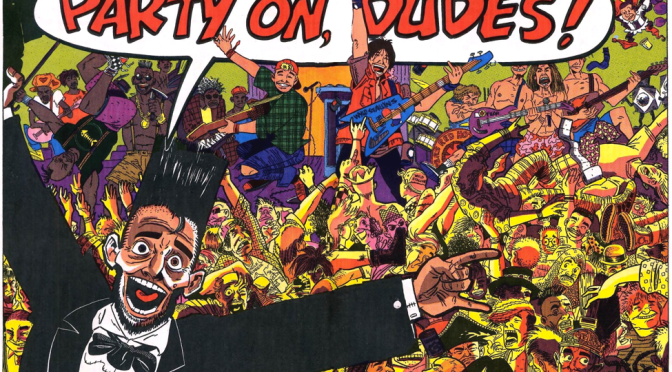
Greetings, most excellent Legions of the Unspoken! I’m Emily Scott, and I am here to tell you all about a totally outstanding 1991 publication from Marvel, Bill and Ted’s Excellent Comic Book! *air guitar* This triumphant comic may have had bogus sales and only lasted 12 issues, but its short run is in no way indicative of how non-heinous this interpretation is of two beloved characters. Anyone who enjoys either movie would totally love these books, so prepare to be fully informed, and…PARTY ON, DUDES!

…Ok, I think I’ve got the bulk of the Bill and Ted speak out of my system, at least for the purposes of this article. I don’t really remember a time when my own vocabulary didn’t include some Bill and Ted-isms, and to this day I refer to things as being non-non-non heinous more often than any reasonable person should. Reading a dozen issues of their vernacular, though, has left me even more susceptible than usual to adding ‘most’ before every adjective and exclaiming, ‘Whoa!’ with hushed awe.
Bill and Ted Loquacious
How is it possible that these two panels squeeze in so much Bill and Ted slang that they sound translated straight from an English-to-Bill and Ted dictionary and yet sound so natural?

With a new comic book release, chatter about a third movie louder than ever, and the fact that it’s one sequel after a long hiatus that everyone actually seems fine with, there’s no better time to ponder why we’re so eager to be excellent to two dudes we first met over a quarter of a century ago. Their language is a major factor in what still endears us to Bill and Ted and a prime example of the movies’ greatest strengths, taking something that could be pedestrian like late 80’s/early 90’s surfer/stoner/Valley bro talk and making it most atypical. (Sorry that I can’t stop with the Bill and Ted speak…NOT!) You know exactly who these characters are immediately upon hearing them, but they don’t sound quite like anyone else you’ve ever heard.

As the above two panels from the first issue ably demonstrate, writer/artist Evan Dorkin nails Bill and Ted’s verbal eccentricities, a feat made all the more impressive when you learn that he had not seen either movie when he started writing this title. Dorkin, a five-time Eisner Award winner best known for his works Milk and Cheese and Dork, gets just about everything else right too, from the lighthearted tone of the humor to the happy-go-luckiness of the titular characters. One of the comic’s greatest strengths is that if you know Bill and Ted, you know exactly what you’ll be getting. This comic feels the most like the source material just drifted into another medium than almost any other adaptation I’ve ever seen.

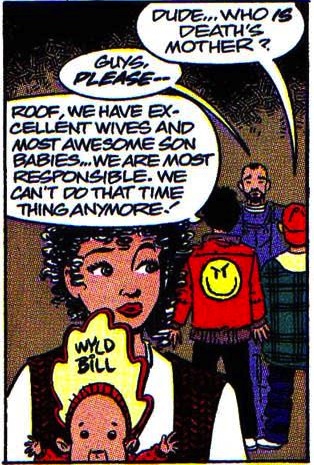
Am I the only one who wants to hear the rest of Death's joke?
Am I the only one who wants to hear the rest of Death’s joke?

Not only does the comic sound just right, but it looks spot on too, with art that is colorful, fun, and busy. Dorkin gets a lot of comedic mileage out of great expressions, and he can make an already zany universe that much zanier by drawing faces so exaggerated not even Keanu Reeves could actually make them. The art is also better than it has any right to be for an adaptation of a comedy about two dudes who travel through time in a phone booth, with an eye for movement and action that flows seamlessly and images that are surreal and vivid, evocative and at times bordering on nightmarish. (In case you were wondering, yes, it does feel incredibly strange to attempt a serious critique of the art in a Bill and Ted comic. It’s so damn good,though, that it deserves to be taken seriously.)

Bill and Ted Surreal
As a chronic procrastinator and habitually late person, this is what every clock looks like to me.

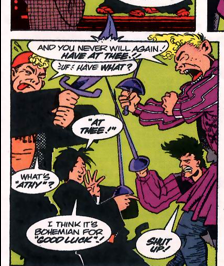
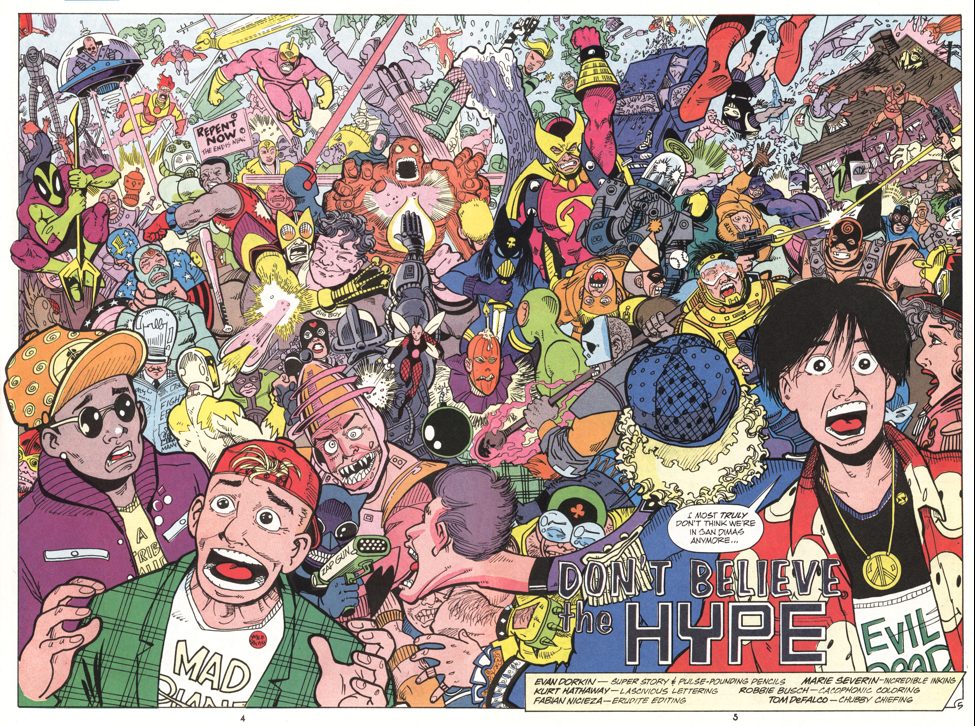
One of my favorite aspects of the entire run is just how much stuff Dorkin manages to squeeze into every panel. From the band shirts and buttons on background characters to random appearances from people like the Red Hot Chili Peppers, I found myself staring at pages for a long time to catch every little detail. Dorkin makes the most of every centimeter of page space, capitalizing on every opportunity to squeeze in another joke or bit of whimsy, from guest letter columns from characters like Station and DeNomolos to something simple like a sword piercing a word balloon:

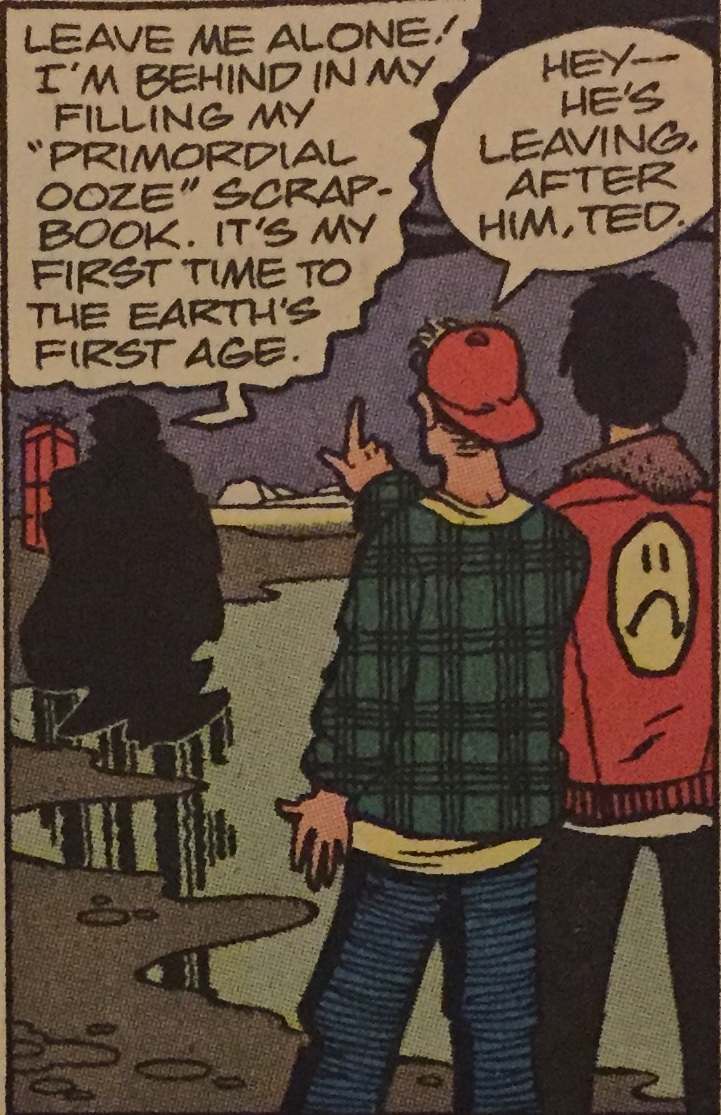
B&T Piercedto a running gag in which the smiley face on the back of Ted’s jacket changes expressions to match the situation:

Bill and Ted Face 4 Bill and Ted Face 1 Bill and Ted Face 2

I call this one Charlie Brown  Mouth.
I call this one Charlie Brown Mouth.

Just as their speech takes slang we’ve heard coming from a million different mouths and strings it together in most memorable ways,  Bill and Ted take pretty well worn character templates, two doofy but lovable dudes, and give them a contagious enthusiasm and hearts so big they cause a moon boot-filled future utopia I sometimes daydream I live in.  A lot of similar characters are like cats who always land on their feet because they’re too dumb to know the ground is there. Bill and Ted are the cats who always land on their feet because it wouldn’t even occur to them that the ground would do that to them.

Bill and Ted may be the sort of guys who would never pass a history exam without George Carlin and a magic box, but as Ted reminds us in the clip above, they are well aware of their intellectual shortcomings and more than make up for it with that relentless optimism, allowing them not to be intimated by anyone regardless of their smarts, power, or prowess. These are two dudes who can hang with God, give Satan hell, and even melvin Death. When someone can face that lineup and not be cowed, they can be placed in just about any setting against any foe and believably come out victorious, and Dorkin takes advantage of that versatility by telling stories everywhere from the past to the future to the nexus of time to the Dimension of Utter Boredom. (You can guess how much they love Wyld Stallyns in that last one.)

To be fair, the effects in 2001 are really good.

The Bill and Ted universe has a pretty deep bench, which is unsurprising, considering it could potentially include anyone from any time, and everyone’s favorite characters make an appearance in the comics, from Missy (I mean Mom…) to So-crates to my personal favorite, the Duke of Spook, the Doc of Shock, the Man with No Tan, Death himself. I’ve always had a soft spot for Death as a character, from Death of the Endless to the Grim Reaper in Monty Python’s The Meaning of Life (if you don’t laugh during this scene, I’m sorry that you were born with no sense of humor), but none approach my fondness for the version of Death with no luck at board games. His portrayal by William Sadler in Bogus Journey makes the movie ten times greater, and even though Death is his skeleton self here, his presence accounts for a surprising amount of the humanity and pathos in the comic, as well as some of its wackier plots.

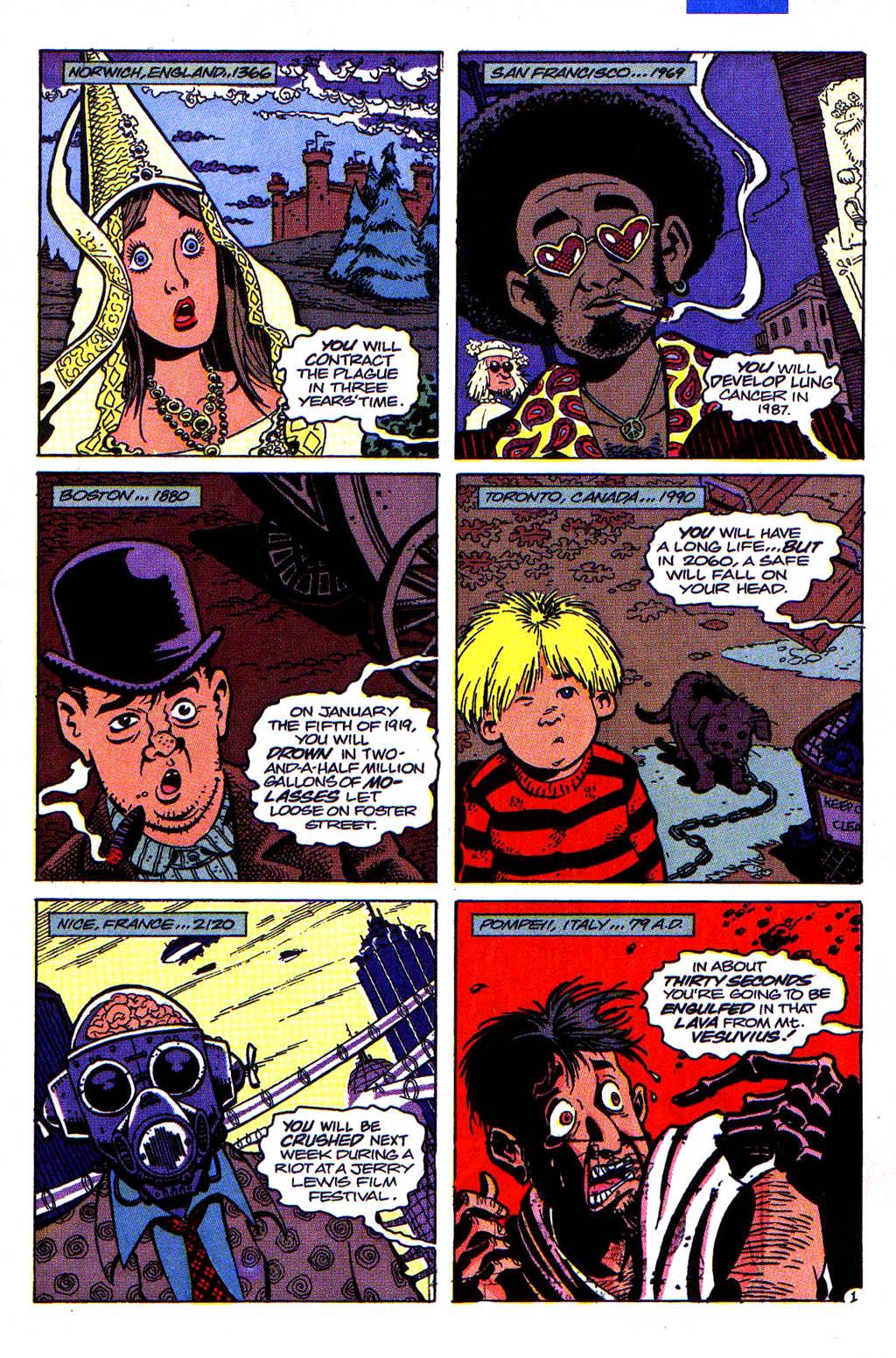
While there are a few ongoing stories, including a seeming inevitability where Bill and Ted stand trial for their interference with time, most of the issues stand alone, and two of the best revolve around Death, one in which he quits and the other where he is replaced. In Death Takes a Most Heinous Holiday, instead of searching for the true value of life or exploring what it means to be mortal or any of that other sentimental nonsense, Death treks through time to places like Pompeii and the crash site of the Hindenburg to revel in the mortality of others. Depending on your perspective, he is either the best or worst tourist of all time.

Bill and Ted Tourist

199201 Bill and Ted's Excellent Comic Book V1 #2 - Page 2
If anyone was curious, the molasses thing was a real disaster. (Here at The Unspoken Decade, we entertain AND educate.)

Bill and Ted convince Death to return to work, but in It’s a Living, he has become too concerned with worldly matters and is replaced by a foul mouthed, bad tempered pipsqueak of a reaper named Morty. Odd as it feels to say, this issue demonstrates that Death, constant and immutable, is actually the character who changes the most over the course of the comics. He tries occupations from fast food worker to comic book writer (we’ll come back to that one), makes new friends, and learns a thing or two about compassion from his kindly landlord. I would not have expected to get a little choked up over a story involving a Reap-off and a midget skeleton wearing a Flava Flav clock, but it bears reiterating in case I haven’t made it plain enough yet: this comic is far, far better than it has any right to be. And this is coming from a self-proclaimed big Bill and Ted fan.

Bill and Ted Death Off
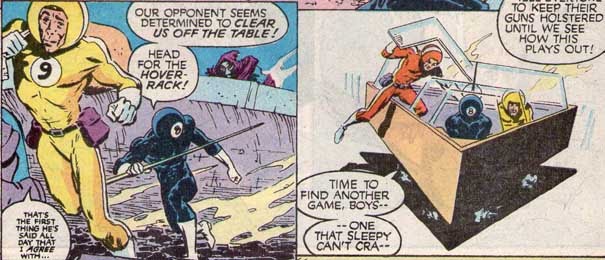
I have been enamored of the Sleepwalker villain 8-Ball since I learned of his existence (and the fact that he flies around in a hover rack), but Fate here may have just topped him as my favorite anthropomorphic billiard ball.

Two characters who don’t undergo much change are Bill and Ted themselves, but would anyone really expect them to? Would anyone even want them to? The fact that they can die more than once, experience their own personal Hells, get attacked by evil robot versions of themselves, etc. and still remain the same cheerful dudes is kind of what we love about them in the first place, and the comic rightfully has them stick to what they do best: dealing with the oddity of time travel with the greatest of ease (this time with the addition of a time traveling roller coaster), being excellent to each other, and getting out of precarious situations by waiting for their friends or future versions of themselves to show up in a phone booth and save the day.

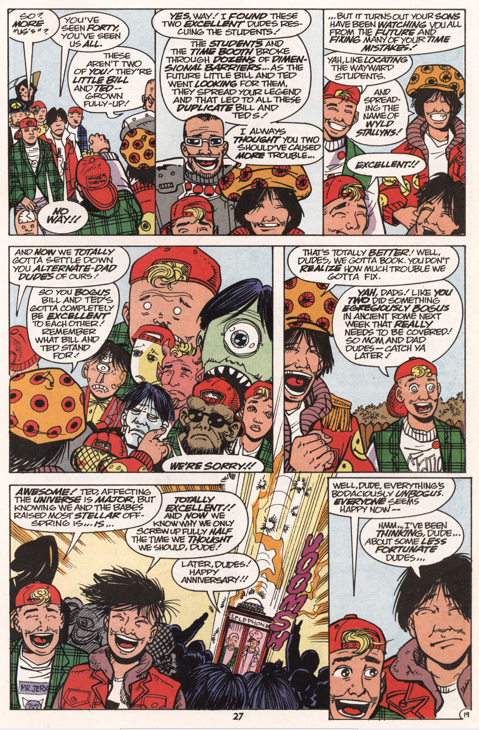
The comic does preserve the idea that Bill and Ted get married to the babes and have babies, but these events rarely impact the plot in any significant way. The kids are sort of there a lot, but these issues are free of whacky shenanigans involving Bill and Ted learning fatherly responsibility from Gengis Khan or how to change a diaper from Abraham Lincoln. I assume Little Bill and Ted are there because they existed at the end of Bogus Journey, but even more so because they reinforce the charmed, idyllic lives Bill and Ted lead and the notion that they totally “have it all.”

Bill and Ted Idyllic
It speaks volumes about the quality of these comics that one of my only criticisms is that people are wearing hats like Ted’s about 1000x more than I remember anyone actually wearing them in the 90’s and I find it distracting.

That the movie marries off and makes fathers of two overgrown adolescents so quickly has always seemed odd to me, but I suppose at least it’s atypical to see male protagonists subscribe to the marriage+kid=happy ending romantic comedy variety of wish fulfillment? I’m glad Dorkin made the kids little more than cooing luggage, but I would have liked to have learned slightly more about Mrs. Bill S. Preston, Esquire and Mrs. Ted “Theodore” Logan because all we know is that 1. they are princesses 2. they are from the past and 3. they are “most chaste” pre-nuptials. I suppose, though, there’s only so much one can expect in terms of character development when the protagonists themselves can tout a lack of emotional complexity as a main endearing quality. If Bill and Ted can basically share one personality, I suppose their wives can too.

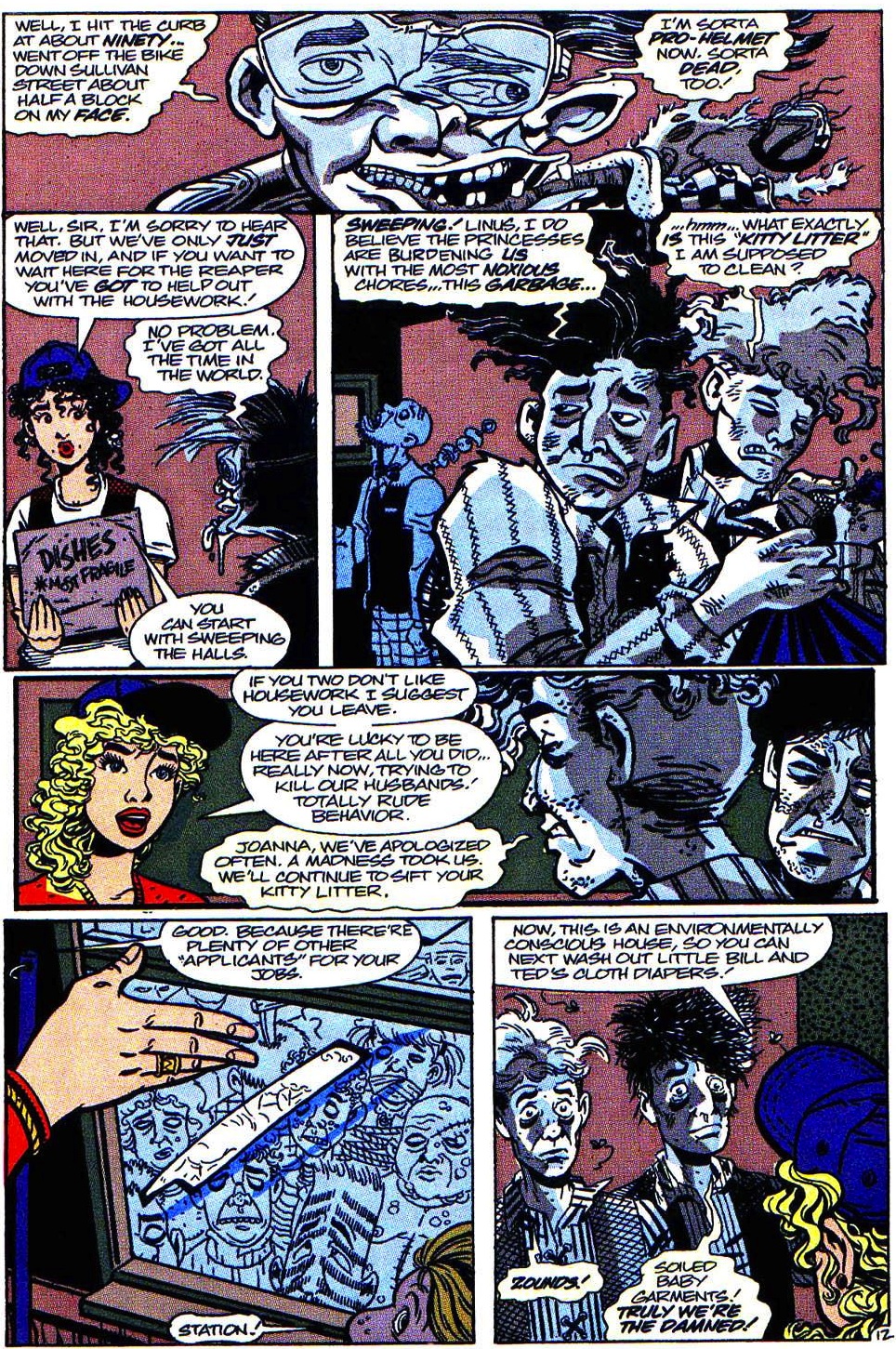
Joanna and Elizabeth are at least given several good moments, such as simultaneously knocking out their would-be suitors with their crowns (violence is always better when synchronized), rounding up a rescue party for Bill and Ted when they are on time trial, and, my personal favorite, making zombies do housework for them while they wait for Death to take their souls. They end up seeming like a slightly more assertive female version of Bill and Ted (not to be confused with the alternate reality female Bill and Ted who show up with many other doppelgangers at the end of the last issue), and since we already like Bill and Ted, the more the merrier.

Bill and Ted Zombie Clean
Kitty litter? Now I just really want to know what Bill and Ted’s cat’s name is.

If there is one pattern that has emerged from all the 90’s comics I have read for this site, everything from the more meta Enigma and Satan’s Six  to Mr. Hero, it is this: comic books love talking about comic books. I’m really not sure why this is, but Bill and Ted’s Excellent Comic Book is no exception. Both titular characters love a comic called Fight Man (this list of his sidekicks and villains demonstrates why Dorkin was the perfect person to write for Bill and Ted), and, as mentioned earlier, Death briefly moonlights as a writer for an awesome sounding comic called Major Violence:

Bill and Ted Major Violence
Pictured: what a lot of comic book fans seem to think of 90’s comics. (Thankfully, we are here to set the record straight.)

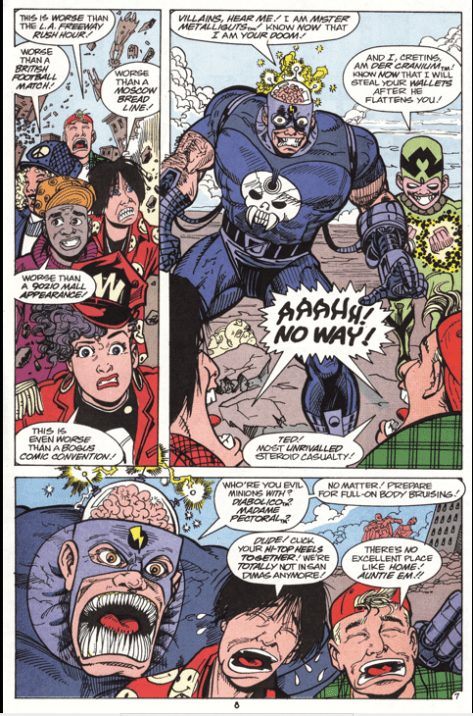
A whole issue is even devoted to Wyld Stallyns accidentally ending up on a world entirely populated by superheroes and villains. No biting commentary on the state of comic books occurs, but it does give Dorkin a chance to have some fun with the over the top-ness of both superheroes and Bill and Ted, who object to having to wear costumes at one point even though they dress like, well, how they dress.  The best parts of the issue, unquestionably, are the names and character designs he comes up with for these alternate reality heroes and villains.

Bill and Ted Madame Pectoral
I am going to lobby Marvel for a Madame Pectoral solo title.
Bill and Ted Amalgam
Let’s see in the comments who can spot the most homages.

I could go on and on about how much fun these comics are, but the longer I do, the more likely I am to start talking like Bill and Ted, and that would be bogus for everyone. (See?) I really can’t think of anything Dorkin could or should have done differently to make a better Bill and Ted adaptation, and while they might not exactly be essential reading, they’re the perfect distraction to tide us over till the third movie actually films. Speaking of films, we’ll be celebrating the release of Avengers: Age of Ultron with Avengers Month here at The Unspoken Decade, so be sure to check that out, and in the meantime, be excellent to each other!


The Character of a City-Gotham Nights

Hello there, Legions of the Unspoken!  I hope you have enjoyed the debate I had with Paul O’Connor of Longbox Graveyard over 70’s vs. 90’s comic books, and I hope you come down strongly on my side that the 90’s are the best!

Seriously, though, we had a good-natured conversation about 90’s comics myths, 70’s comics, the differences between the two eras, and all sorts of cool stuff.  Take a listen here if you haven’t, or give it another one if you have!  The classics never get old, do they?

I sure hope not because today I’m taking a look at one of the all-time classics in superheroes, Batman!  We won’t be looking at him in the traditional sense, however.  We’ll be looking in particular at one of the most important supporting characters in the Batman mythos.

The supporting characters are almost what drives Batman.  If Batman’s rogue’s gallery are counted as supporting characters, then they’re almost certainly the most important element to Batman’s tapestry.  Even if we don’t count the Joker or Calendar Man, the supporting cast makes the Batman comic book come alive in ways many other comic books do not.  Robin, Alfred, Commissioner Gordon, Batgirl, Nightwing, Lucius Fox, Leslie Thompkins, and more bring out the “man” in Batman, and that’s good, because otherwise Batman would just be a weird rich dude who beat up the criminally insane and street level criminals.  Thanks to them, he is now a weird rich dude who beats up the criminally insane and street-level criminals  while having relationships with various folks.

The most important character in the Batman books, though, could possibly be Gotham City.  Gotham City gives a vibe few other locales, fictional or otherwise,  in comic books of any genre can match.  I think it may be the only location in comic books, especially superhero comic books, that can actually say it is a character (other than Danny the Street, of course).  Gotham City means as much to Batman as Batarangs, the Batwing, and Alfred’s snide comments.

I think we can all agree that the architecture in Gotham City reflects the environment that it is, but it is often people that determine the character of a city.  We speak differently about the people of New York City than we do the folks of Los Angeles.  In fact, we think of people within those cities as being vastly different!  Beverly Hills and Compton aren’t the same, and neither are Staten Island and Queens.  The people of Gotham City are a proud lot, but they are also a hard lot.  Their city reflects them, even as their hero reflects their city.  Gotham Nights was a 4-issue mini-series published by DC Comics in 1992 that attempted to show us Gothamites, and by doing so also showing us their city.

John Ostrander handles the writing chores, while Mary Mitchell and Bruce Patterson are on top of pencils/inks.  The book reads well, although it is not as good as some of Ostrander’s other works, such as Suicide Squad, Grimjack, Punisher, or Spectre, but it is a very solid read.  Of course, it is also important to note that Ostrander’s high marks are so high that is no surprise that some of his other works don’t measure up to them.  Even Justin Verlander can’t throw 100-MPH every pitch!  What he can do, though, and what Ostrander does here, is deliver a solid outing each time.

We get an enjoyable read that may not quite reach its potential, but I think some of that is due to space limitations.  If one is going to do a mini-series about the people of Gotham City in a way to bring the city to life in a new way to Batman fans, it seems like it would need to be longer than four issues.  The stories about the individuals are charming, but they feel rushed.  Just as we start to get to know the varied types of folks that comprise the human landscape of Gotham City, the series ends.

But for something to end, it must begin, yes?  This series starts with Batman chasing a mook.  Doesn’t it seem like all Batman titles are legally required to start that way?

Gotham Nights #1 - Page 2
That mook looks a bit more like he is doing the Batdance than he is running away from Batman. Remember Batdance? I don’t think anyone does except me.

The very start of the series has most of the action you’ll see from Batman in this story.  That doesn’t make it bad, but it does mean that if you are buying this because you wanted to see Batman swoop down on every mugger in every alley of  Gotham City then this book isn’t for you.  I think the covers sort of told someone that, but I can only imagine how ripped off someone might have felt if they got this on an impulse buy hoping to see Batman doing Batman stuff.

Gotham Nights #1 - Page 1
This is the cover that I think could have inspired the most of those regretful impulse buys.
Gotham Nights #2 - Page 1
The first time I saw this cover, I thought it was Catwoman enticing some hapless mark. It isn’t, but that isn’t bad.
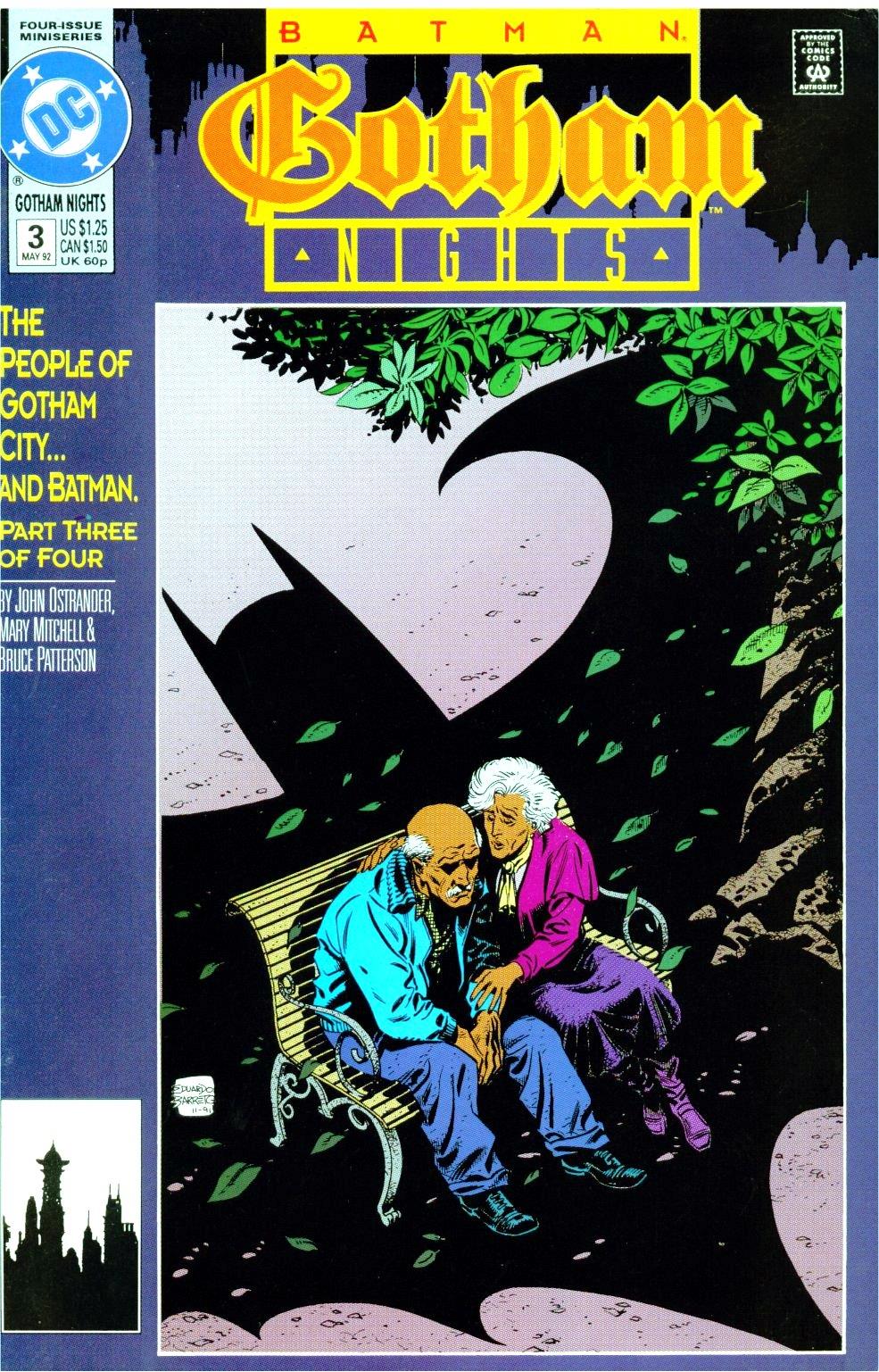
Gotham Nights #3 - Page 1
All I can imagine when I see this is the idea that Batman is enforcing one of the vast array of anti-homeless ordinances that have sprung up across the United States. “It’s illegal to sleep on a park bench after dark, citizens! Let the Shadow of the Bat remind you!” Seriously, though, those laws are bunk.
Gotham Nights #4 - Page 1
The pastries and the gun make for a beautiful dichotomy.

The covers have a cool design, and I especially enjoy the bordering.  I feel like that alone sort of set these apart as “not your typical Batman book”, although with the first (and possibly the fourth) issue(s) I can see a casual fan picking it up and being disappointed that there isn’t more Batman in it.

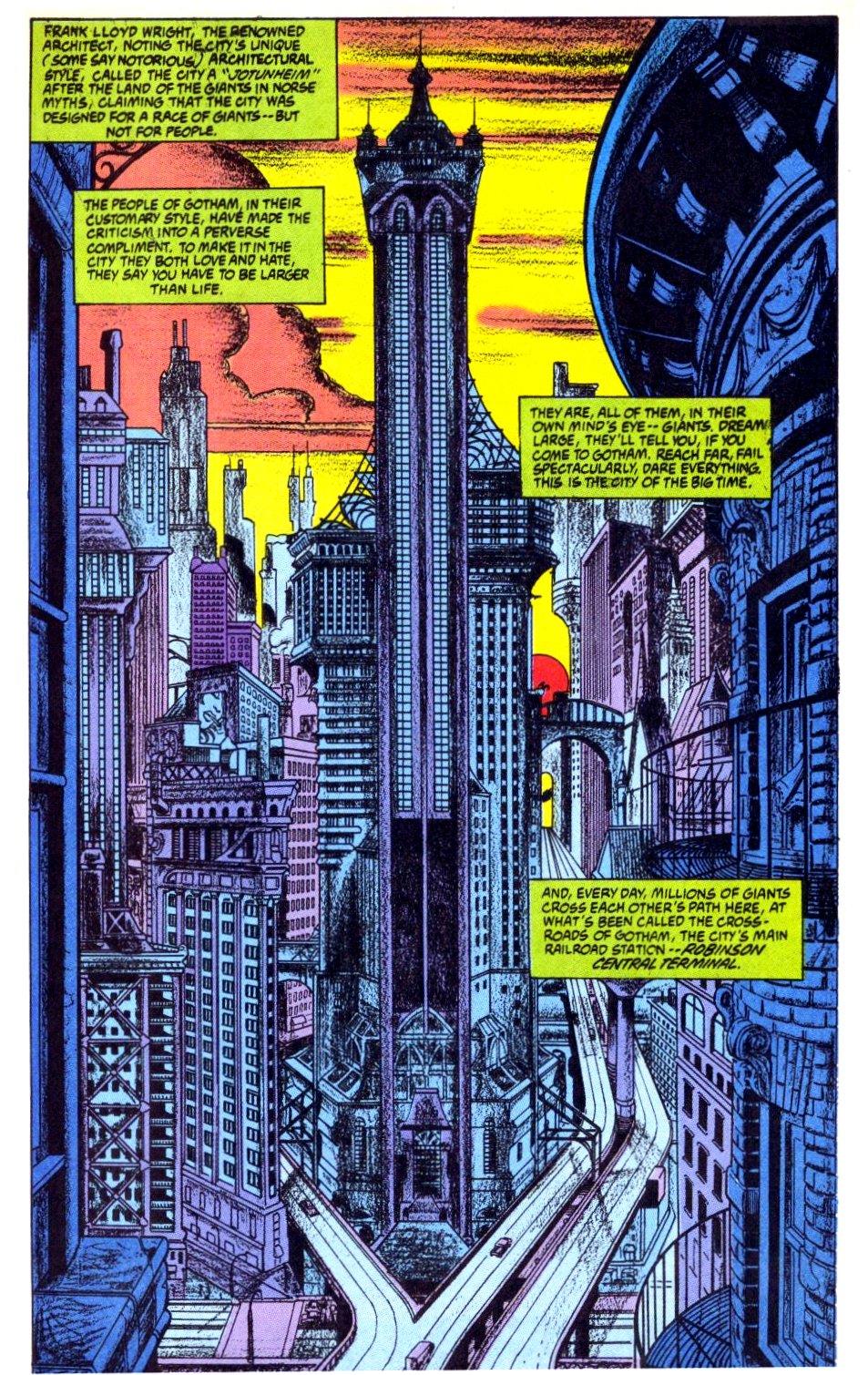
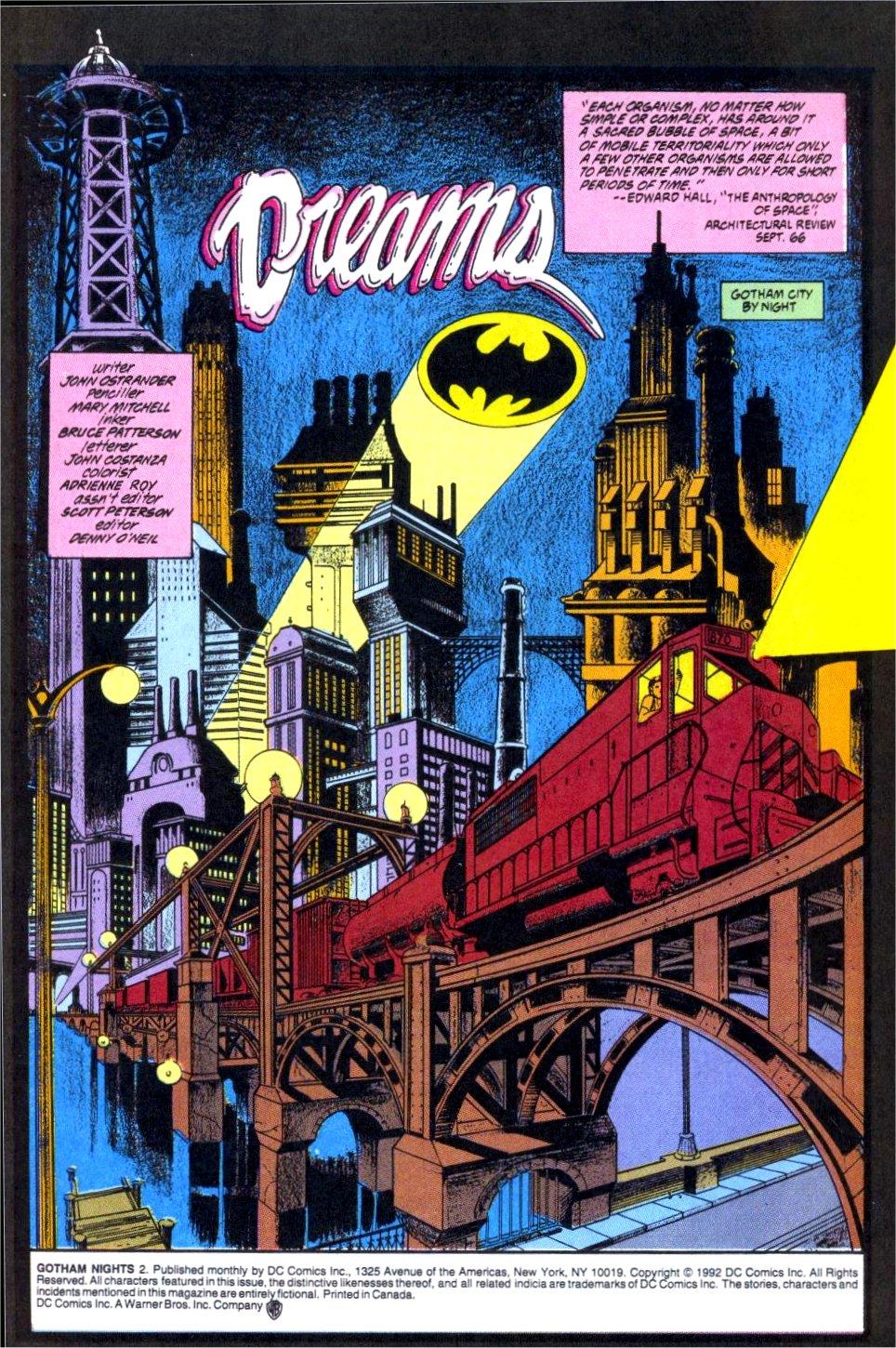
But just because there isn’t more Batman doesn’t make this title a disappointment.  In fact, I’d say it is almost worth it for the great art of Gotham City alone.  Mary Mitchell and Bruce Patterson make the city come alive as a character in and of itself. Some of their work makes the buildings of Gotham seem like the night solidified  as they reach as high as they can into sky in an attempt to embrace their ethereal cousin…

Gotham Nights #1 - Page 5
That quote about Gotham being for giants sums up the way Gotham City has looked in nearly everything except the Batman ’66 TV show.
Gotham Nights #1 - Page 4
Man, is there anything one can’t quote Churchill about?
Gotham Nights #2 - Page 2
With just that single train, Gotham City has better mass transit than Atlanta.
Gotham Nights #2 - Page 3
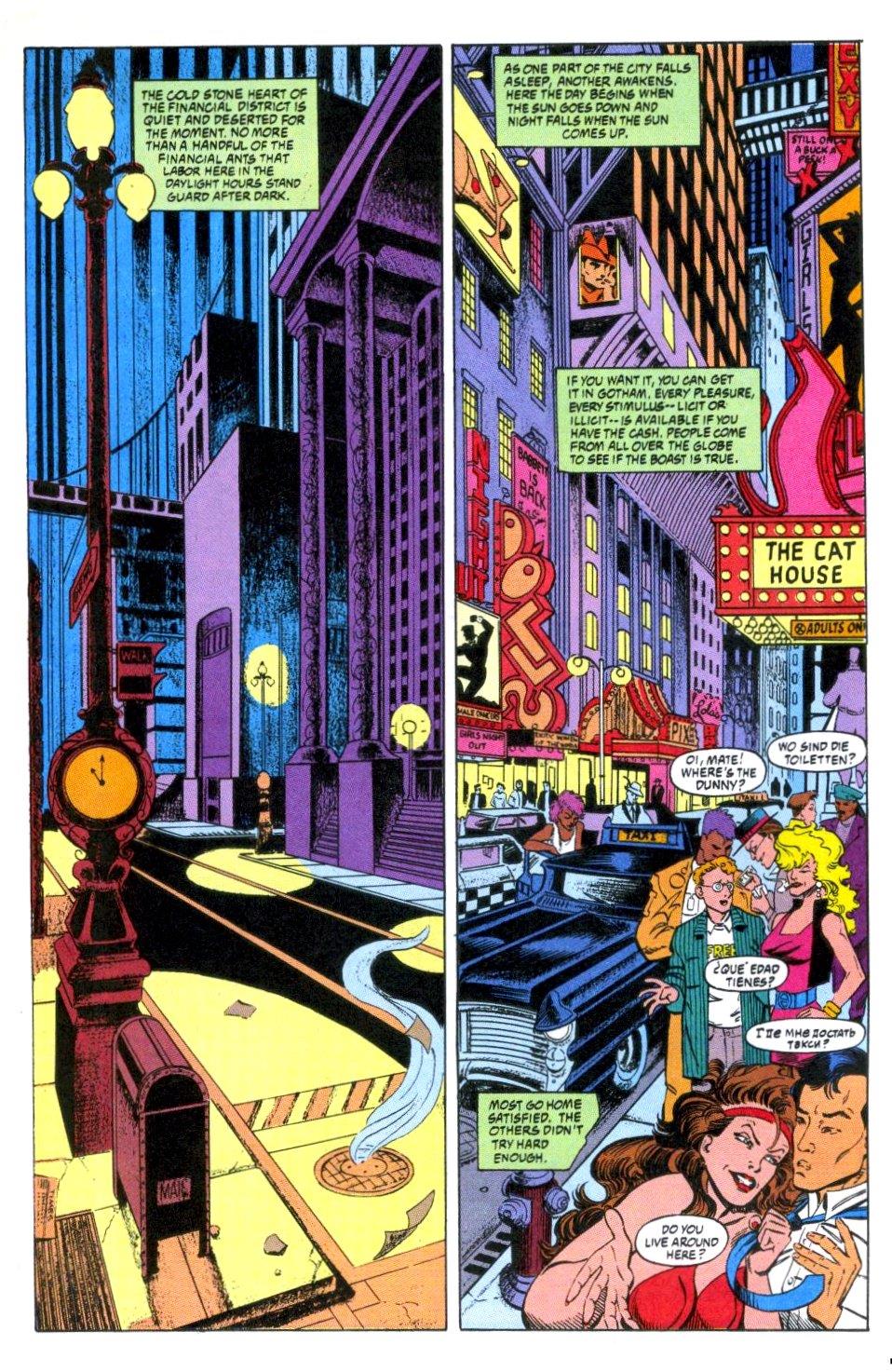
Different parts of a city make a city’s personality so varied. I love that Gotham City is no different.  Of course, someone just out of the panel is bemoaning the lack of English being spoken, because, hey, Gotham City is no different.

The pages almost allow the city to breathe.  If it could breathe, you just know Gotham’s breath would be rank.  Thankfully, you don’t have to smell that, while you still get to enjoy the scenery.

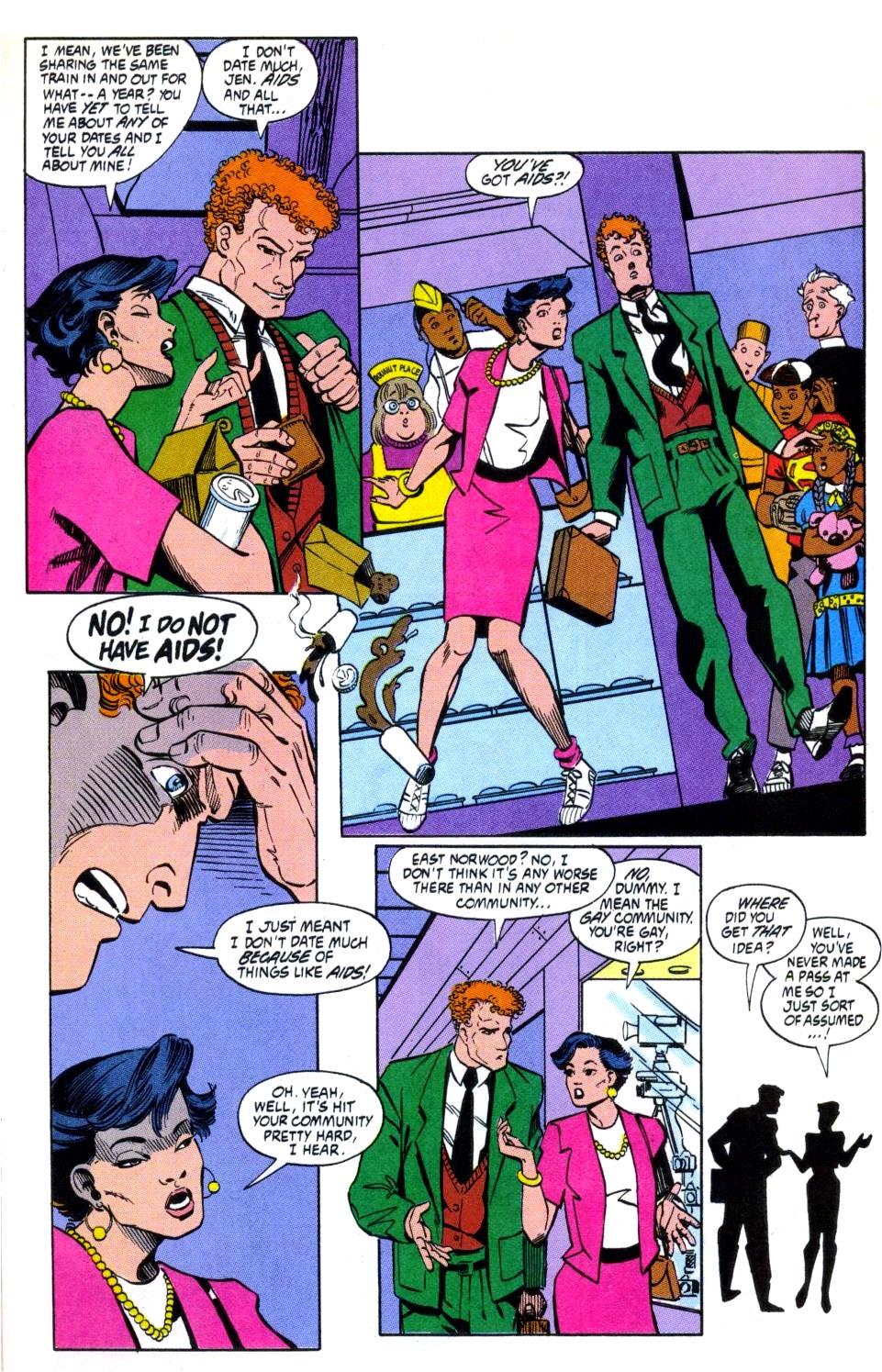
Of course, as I stated earlier, cities become characters due to the folks than inhabit them.  While it seems like Gotham City is populated solely by guys who are part crocodile or have clocks for faces, most of the people in Gotham City are quite normal…some of them appallingly so.  Take Jimmy and Jennifer.  These two folks remind me of that non-couple we all know.  You know the one.  They obviously like each other, but neither do much of anything about it other than act in a flirtatious way toward one another that annoys all around them.  That having been said, they are nice people, even if Jennifer has little to no idea how to act in regard to talking about sexually transmitted diseases in public.

Gotham Nights #1 - Page 10 Gotham Nights #1 - Page 11 Gotham Nights #1 - Page 12

Jennifer’s way-too-loud discussion about AIDS in public followed up by her assumption that Jimmy is gay due to his concern over AIDS and his never having made a pass at her sort of tells you what sort of lady she is.  Jimmy also seems to be judging her because she has sex and dates a lot, so you can tell what sort of person he is fairly quickly as well.  They are nice enough folks, but there is a bigger picture they aren’t getting.

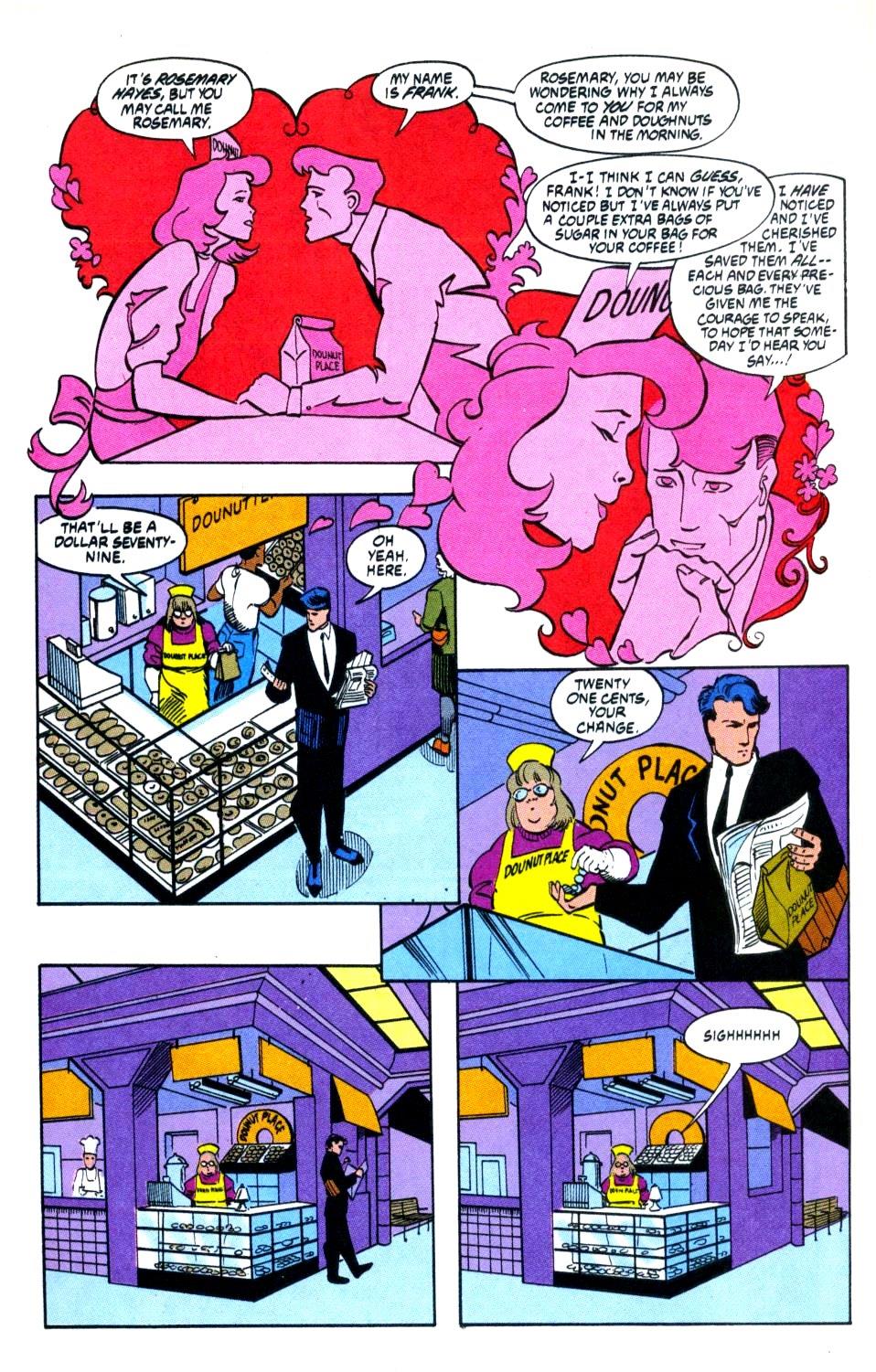
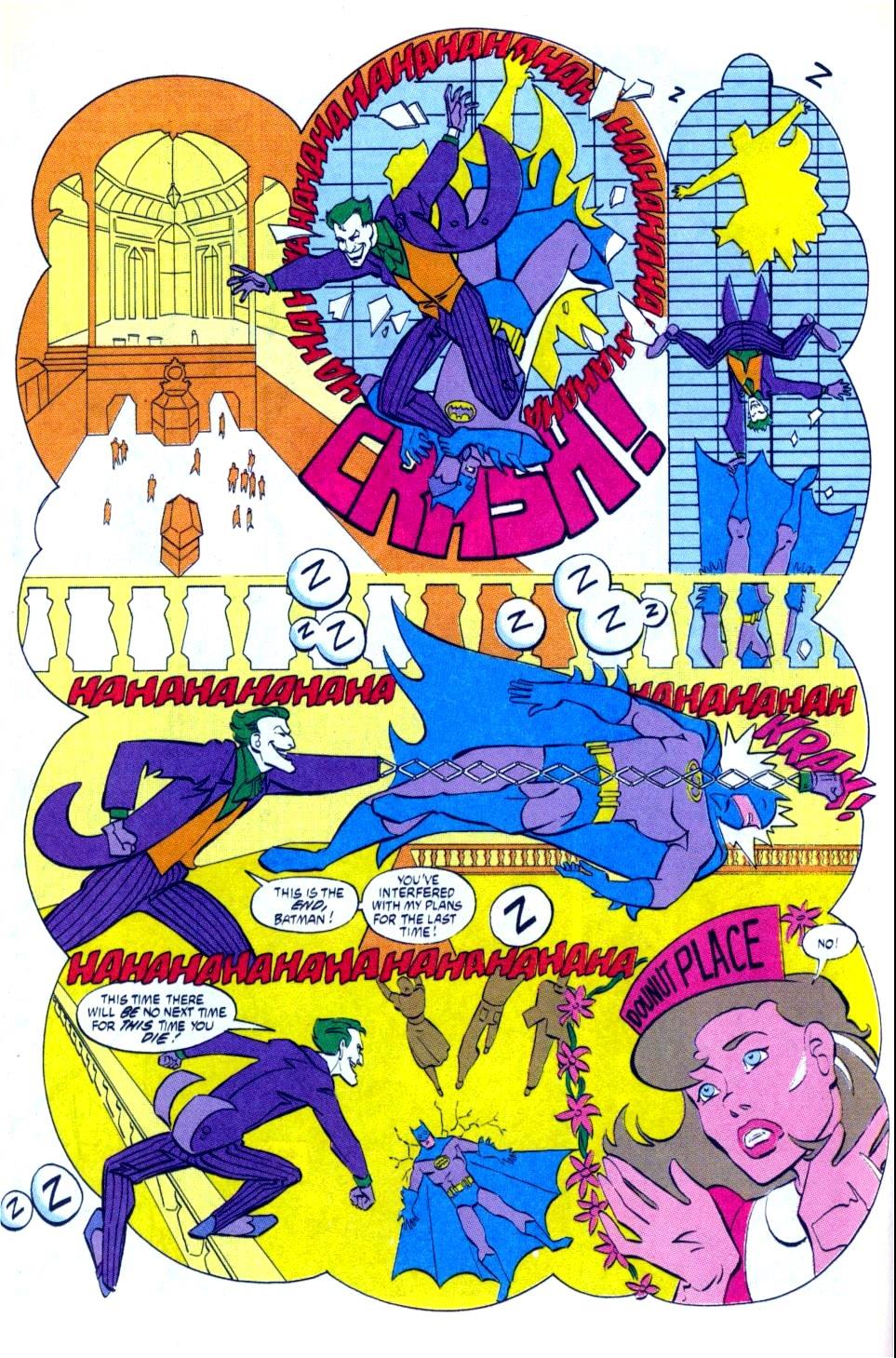
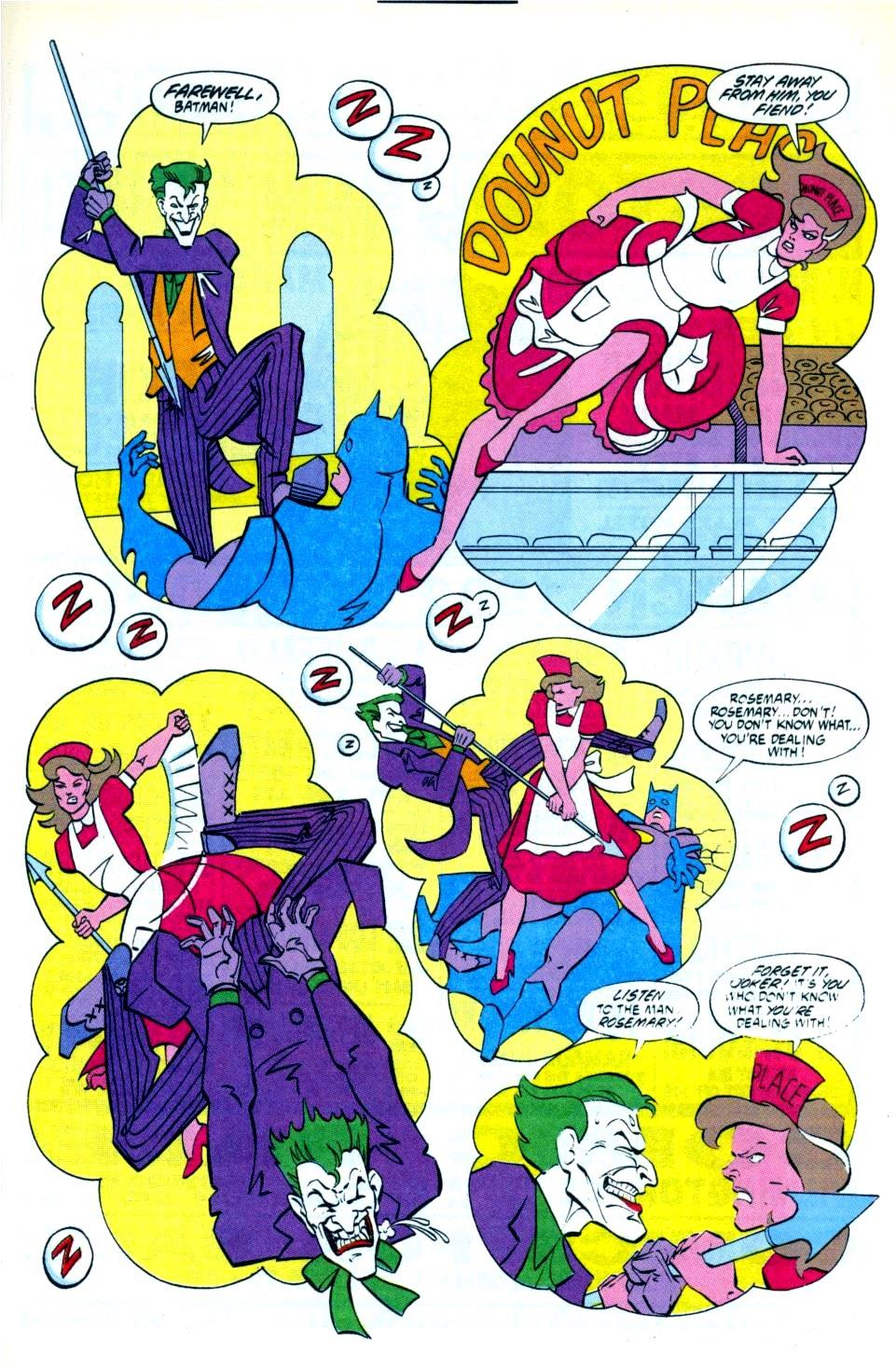
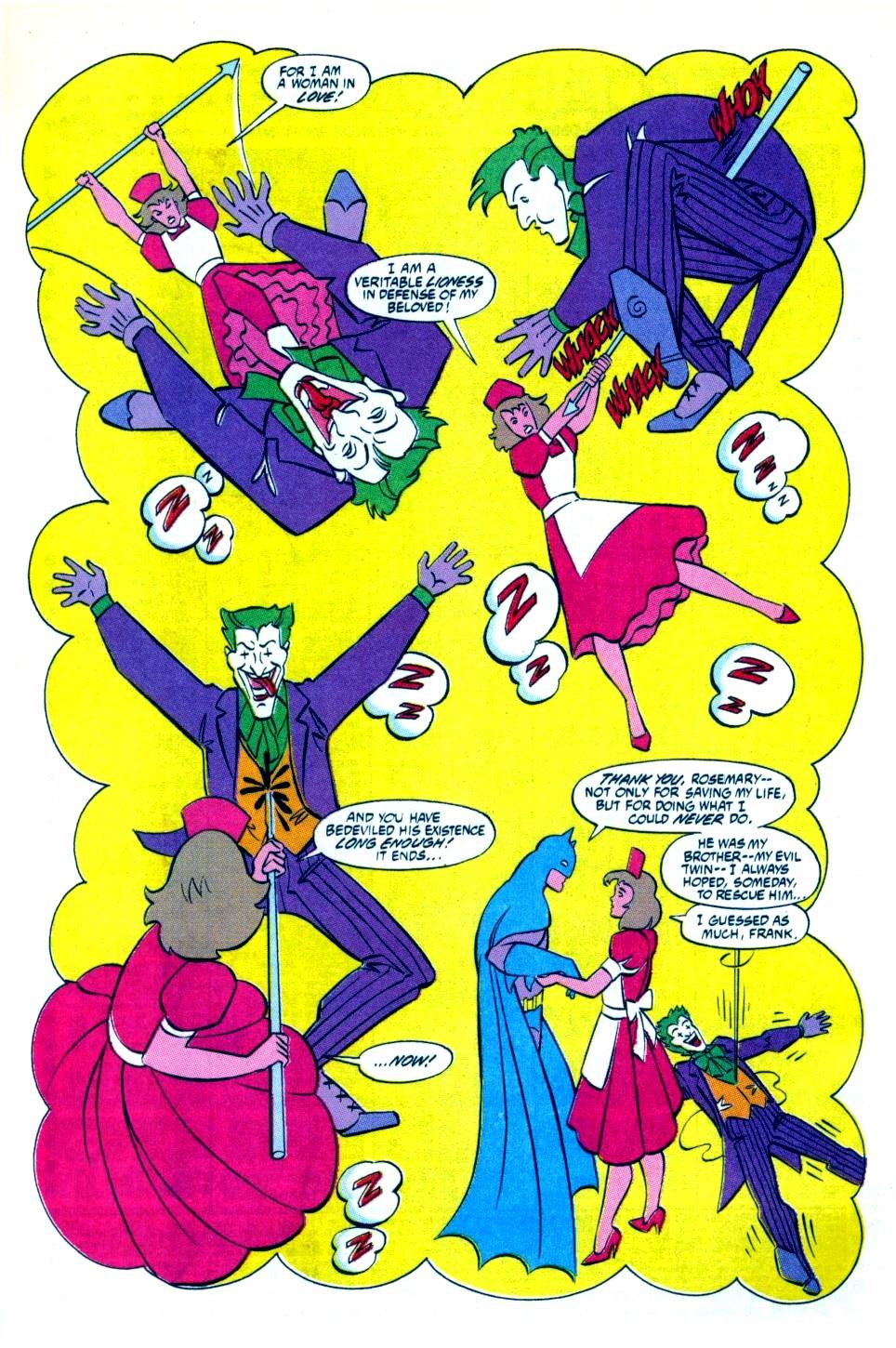
You may not have noticed the doughnut lady who dealt with Jimmy’s ever-so-clever order.  That seems to be par for the course for her, as she is perpetually building her own world in her own head.  I don’t blame her; I spend a great deal of my time dreaming about what my life would be like if I won the lottery.  (Basically, it would be more or less the same but with more comic books, less work, and probably an Unspoken Decade magazine.  Maybe it will happen!  Keep dreaming, Legions!)

Her name is Rosemary Hayes, and she is something to behold in her dreams.  Aren’t we all?

Gotham Nights #1 - Page 8 Gotham Nights #2 - Page 12 Gotham Nights #2 - Page 13 Gotham Nights #2 - Page 14 Gotham Nights #2 - Page 15

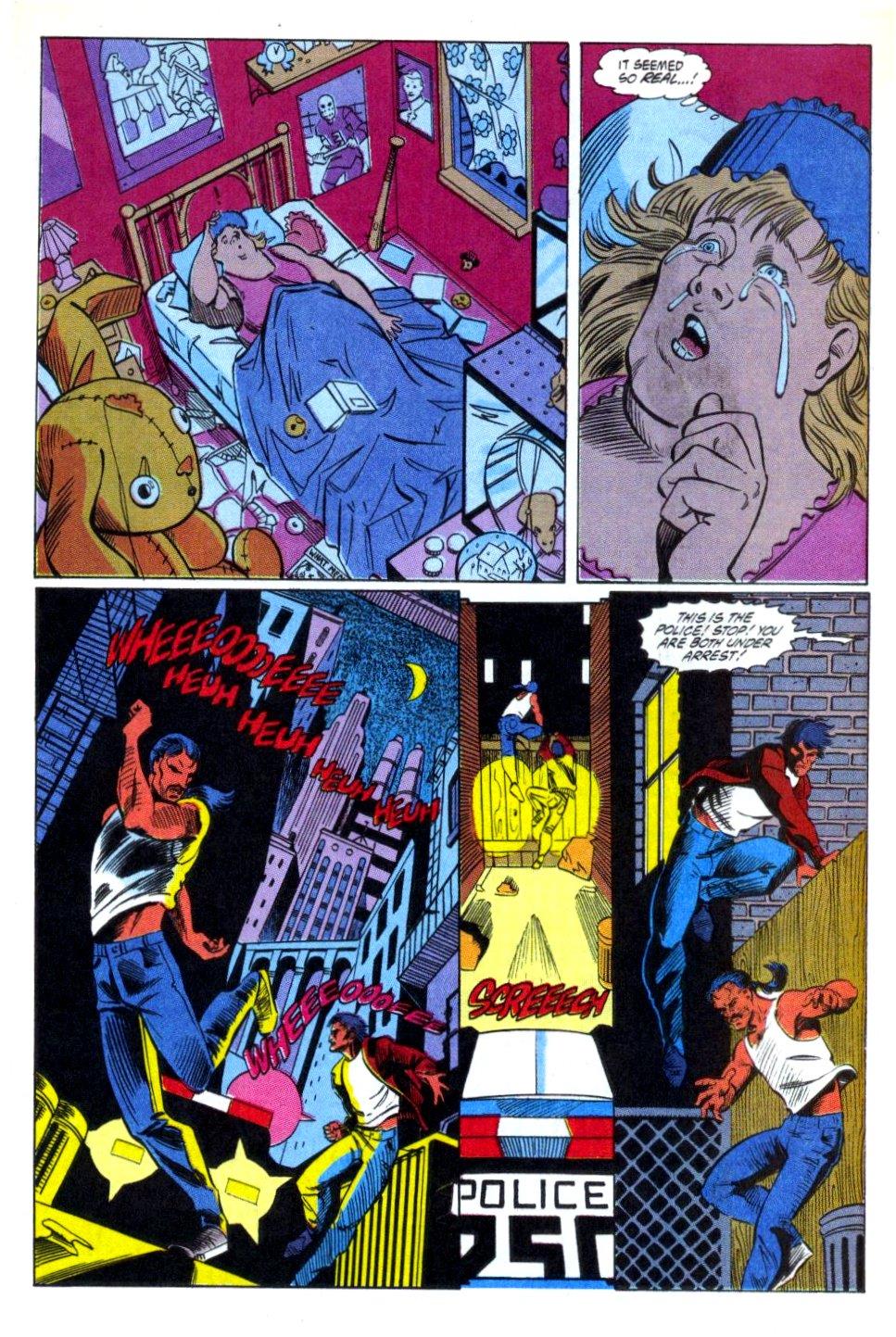
Man, she sure makes Wonder Woman fat in her dreams!  I love it!  Her character is a tragic one, whose loneliness reaches out and just grabs you through the page.  I feel so badly for her after this next page, when she wakes up and the reality of her dreams dissipates with ever beam of light that makes its way into her eyes.  We’ve all felt that way after a dream, right?

Gotham Nights #2 - Page 17
I have felt that too, Rosemary. It just ain’t fair.

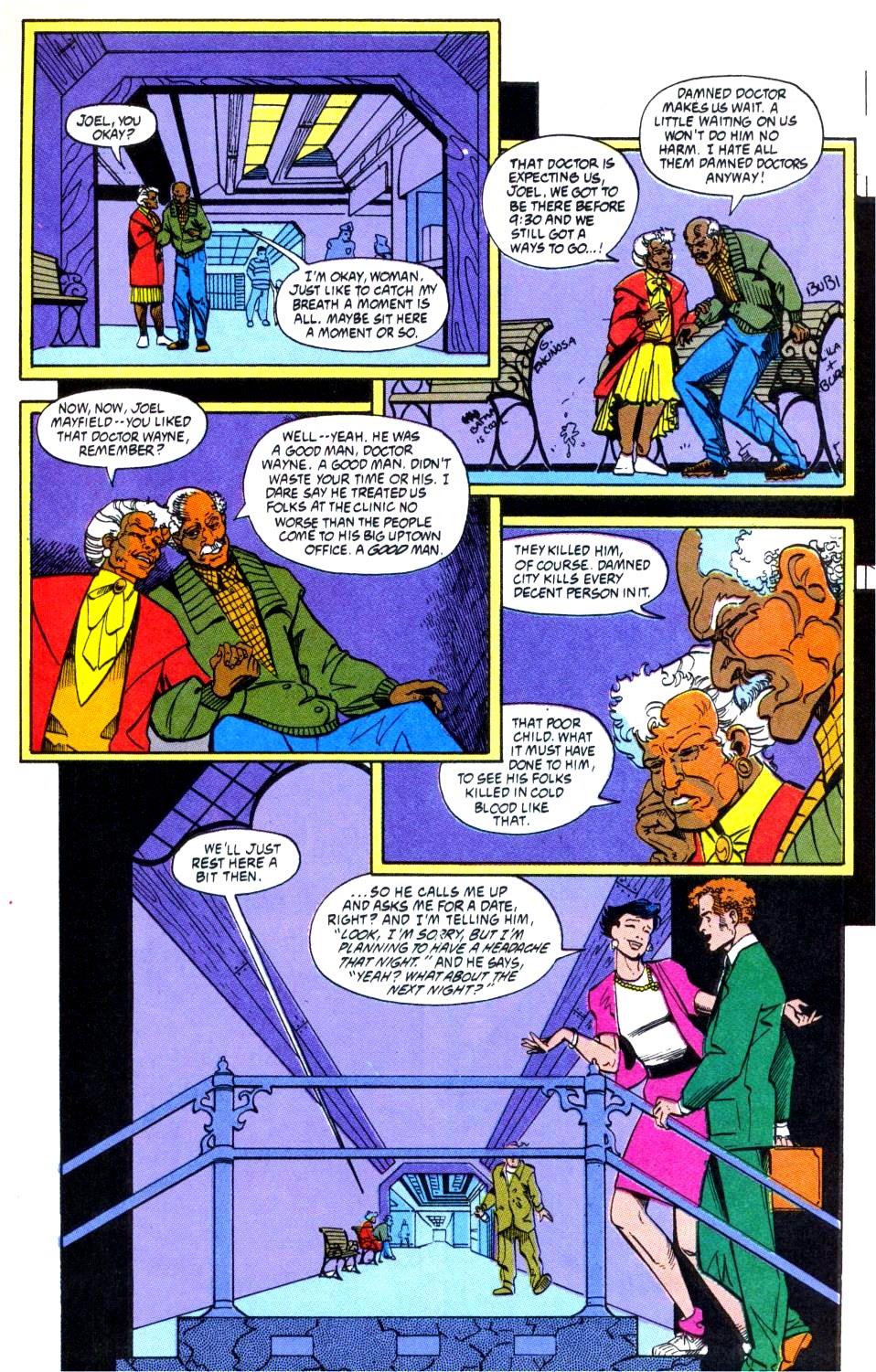
Life, of course, isn’t fair to many folks, but it seems decidedly harsh on Joel and Emma, an older couple who have all sorts of problems, ranging from health to money.  Being broke is bad, but it is also tough to watch the world change around you when things are going poorly for you, especially as you get older.  That gets really tough if you recall when things were different, when you were younger, and when you could do something about it.  Things could not be going much more poorly for Emma and Joel, so Gotham, being the harsh mistress that it is, ups the ante just a little.

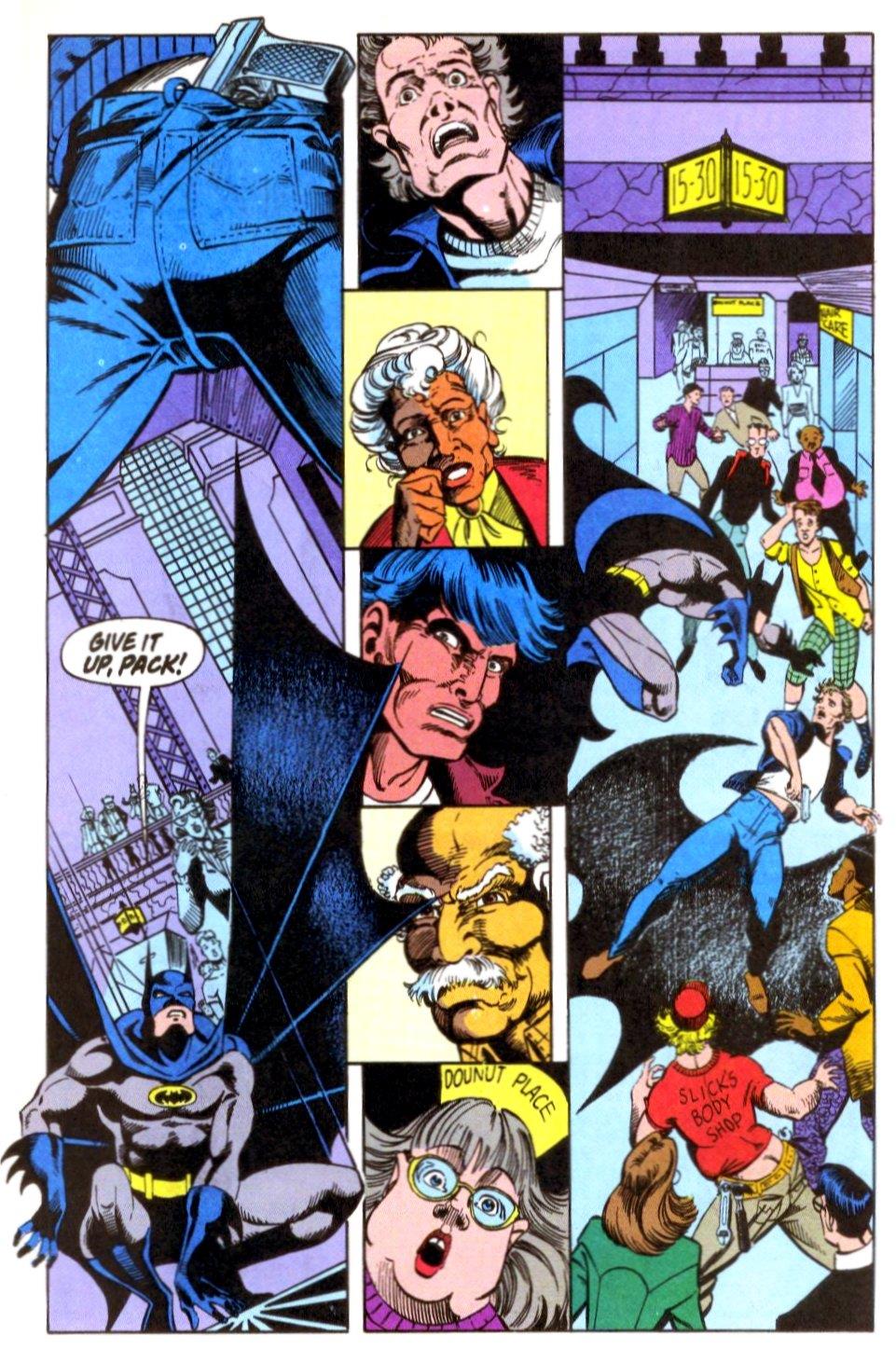
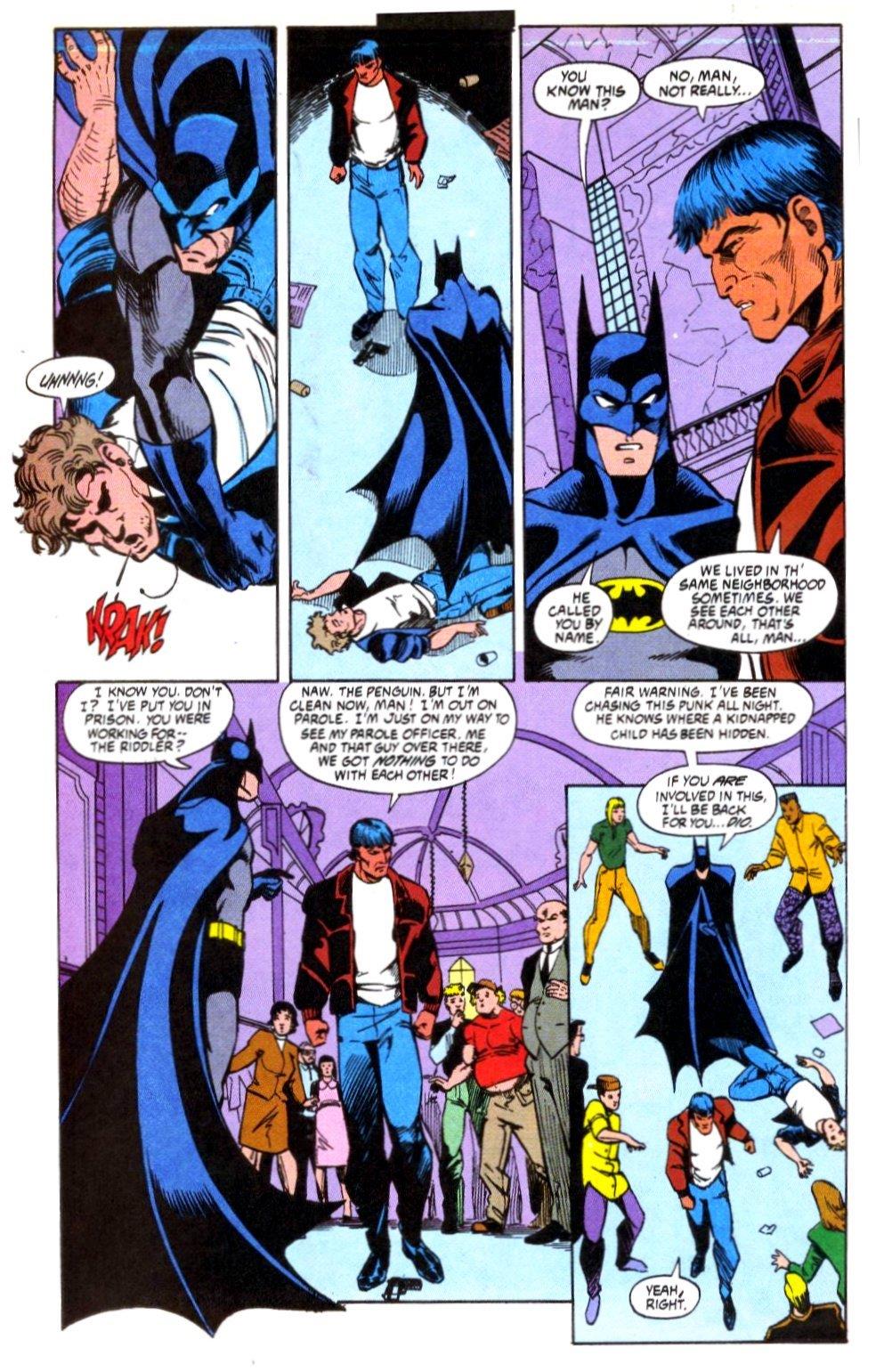
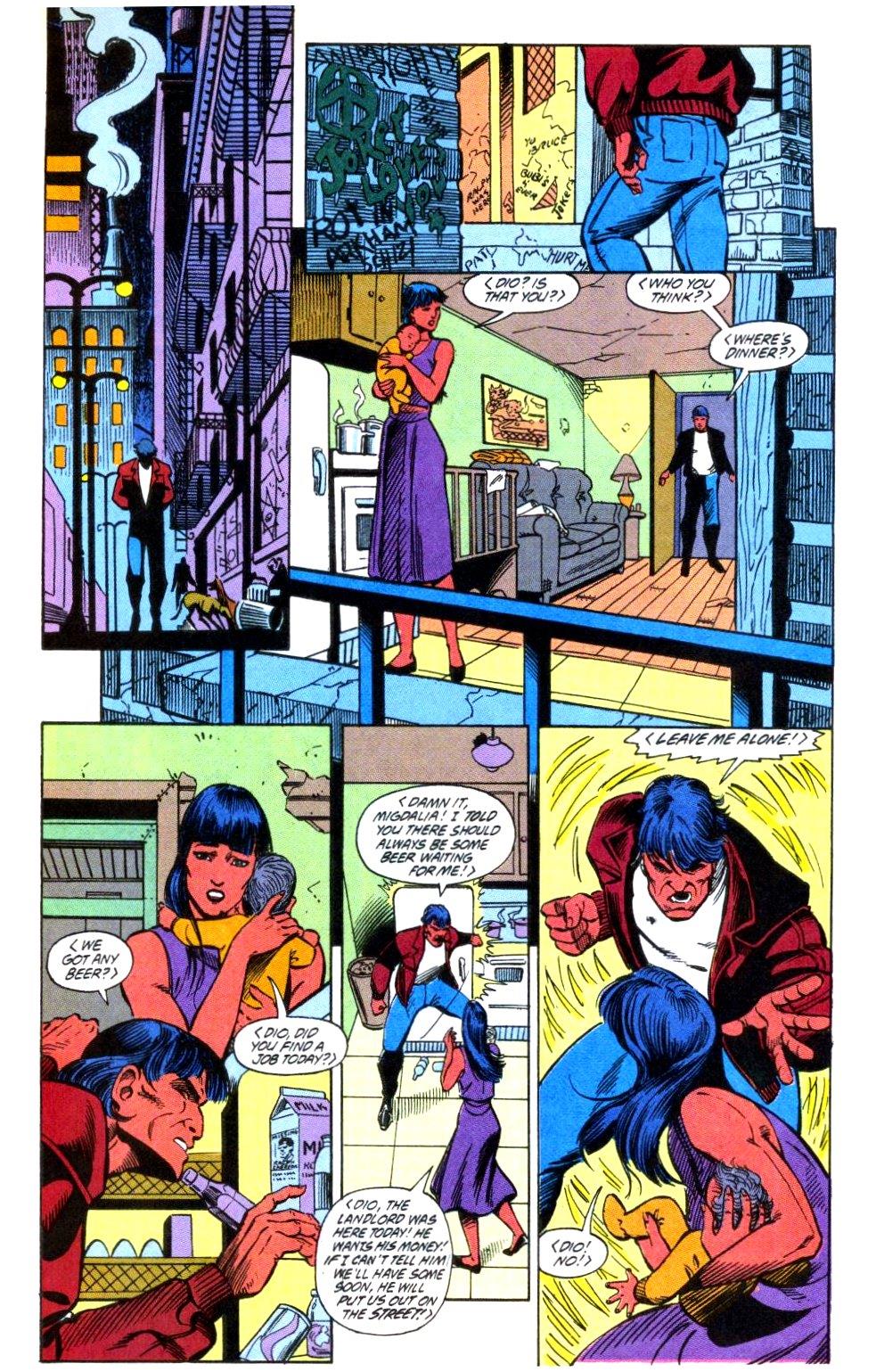
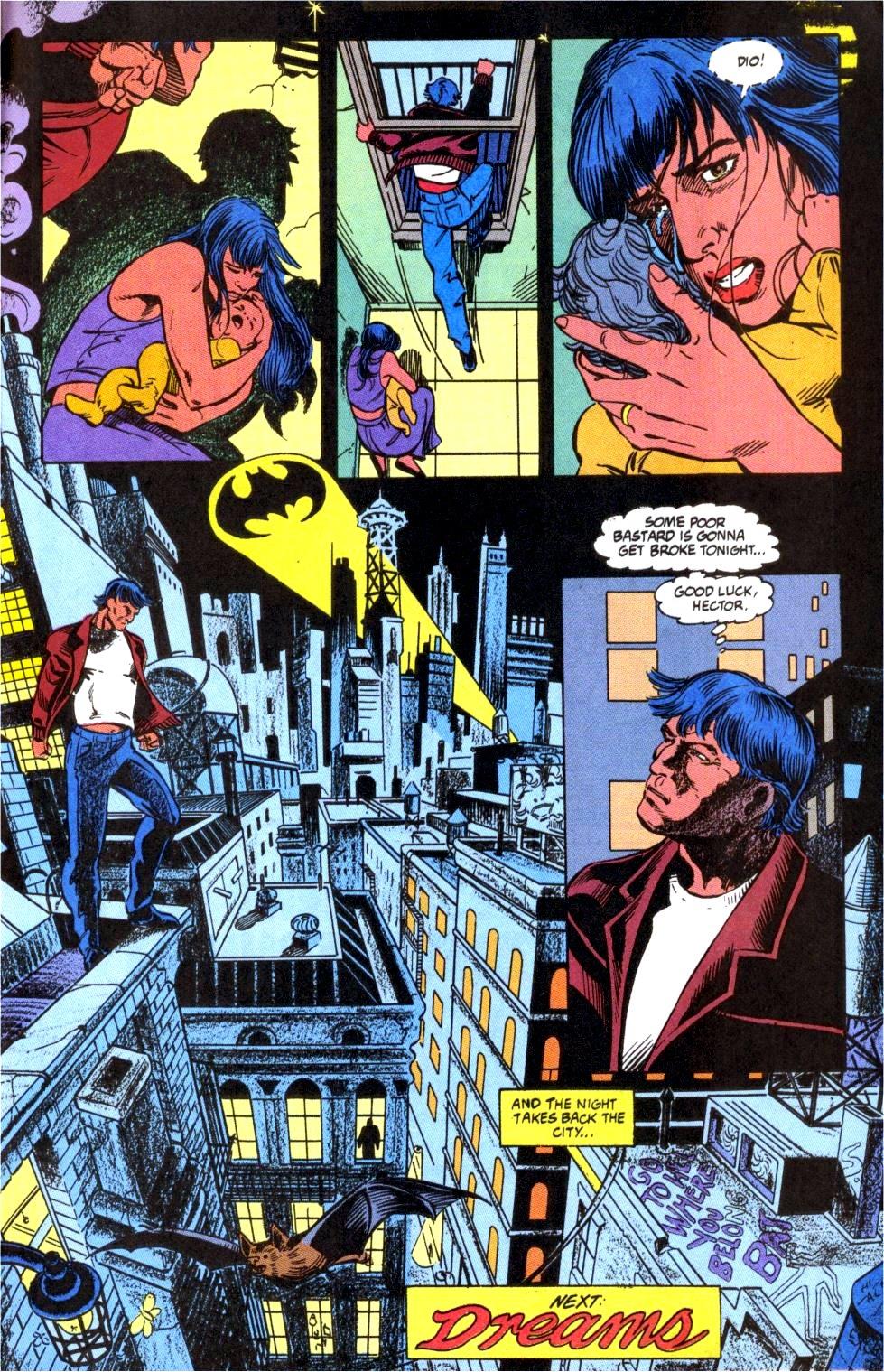
Gotham Nights #1 - Page 9 Gotham Nights #1 - Page 20They will support and care for one another as best they can through these issues, but at least they do have each other.  Dio is an ex-con on parole, who insists on pushing away anyone who is close, especially his pregnant wife.  He also has words with Batman, who says he’ll be keeping an eye on him.  I love that; it’s so small-town sheriff in a western, but it is also so Batman.  Those two genres don’t line up that neatly very often…

Gotham Nights #1 - Page 14 Gotham Nights #1 - Page 15

Gotham Nights #1 - Page 16

Gotham Nights #1 - Page 23 Gotham Nights #1 - Page 24

Dio’s path in life hasn’t taken him anywhere awesome thus far, except maybe for his wife, Migdalia, but all he seems to do for her is to threaten to hit her and demand beer.  I am a big fan of beer, but I am not so much a fan of a violence against women.  He also appears to have a past as a high-end henchman, having worked for The Penguin.  I like that Batman has such a memory that he recalls this guy; Penguin must have stopped dressing his guys like he did in Batman ’66, where they’d have a hard time being told apart.

Dio’s tale is a sad one, and no tale in the book is devoid of heartbreak.  The question is is how will these people that comprise the great city of Gotham survive their personal tragedies?

Gotham Nights reminds us that each city, even the fictional ones, are full of people.  These people have dreams, hopes, fears, bouts of depression, hankerings for ice cream, and all of the various feelings that go together to make up human existence.  You’ll see these folks rise, fall, get up, stumble, sleep, eat, and engage in all sorts of activities just to keep their lives moving along.

Normally, I go through bit by bit and give you the story, but that seems a disservice to such a character-drive story as this one.  Instead, go out, find the book, and see yourself in these characters for yourself.  See yourself and your choices in a new light.  See yourself in Gotham Nights…and never forget one thing always remains constant in Gotham City…

Gotham Nights #4 - Page 23

Hope you had fun, Legions of the Unspoken!  Next week, Emily Scott brings you Bill and Ted’s Excellent Comic Book, and Darry Weight takes a look at Cable. We’ll talk Rob Liefeld’s Avengers in an upcoming podcast, and Super-Blog Team Up returns on 4/21 with Top 10’s!  Hope to see you there for all of it, folks!